A race team never waits for smoke. Long before a car pulls into the pits, someone on the wall is watching numbers. Oil pressure, water temp, and fuel flow stream in every lap. When one number drifts, the crew chief makes a call. That call often saves the engine and the race, because it comes from reading every signal the car gives, from strange sounds to odd smells, not just one gauge.
Your car does the same thing, just with fewer screens. It watches itself all day and speaks through one small amber light. The tips here were shaped with help from the team at Joes Auto Shop, whose hands-on repair work showed how often a simple warning turns into a big bill when drivers wait.
Racers know that guessing costs time. Shops see the same truth on the street, and it is the whole idea behind every tenth you guess away at the track. Data beats hunches. Your dashboard is the first stream of data you get.
Steady Light Versus Flashing Light
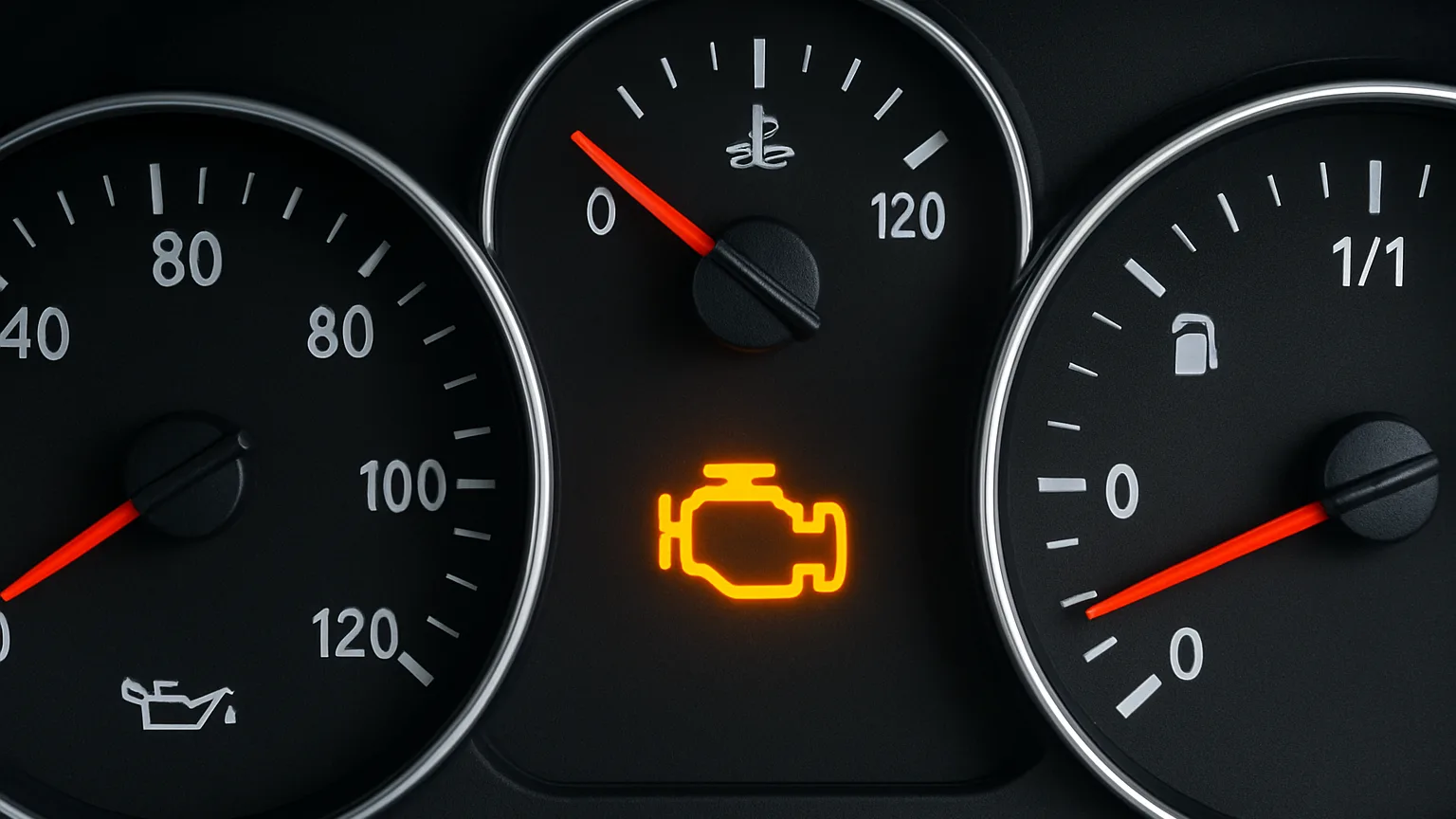
The check engine light has two moods. Each one asks for a different response.
A Steady Glow
A light that stays on means the computer logged a fault. It is not an emergency, but it is a yellow flag. Common causes include:
- A loose or worn gas cap
- A weak oxygen sensor
- A small vacuum leak
- An aging spark plug or coil starting to fail
Plan a scan within a few days. Drive gently until then.
A Flashing Light
A blinking light is the red flag. It almost always means an active misfire bad enough to harm parts right now. This is not a "next week" problem. It is a "today" problem.
<||FIELD_END||>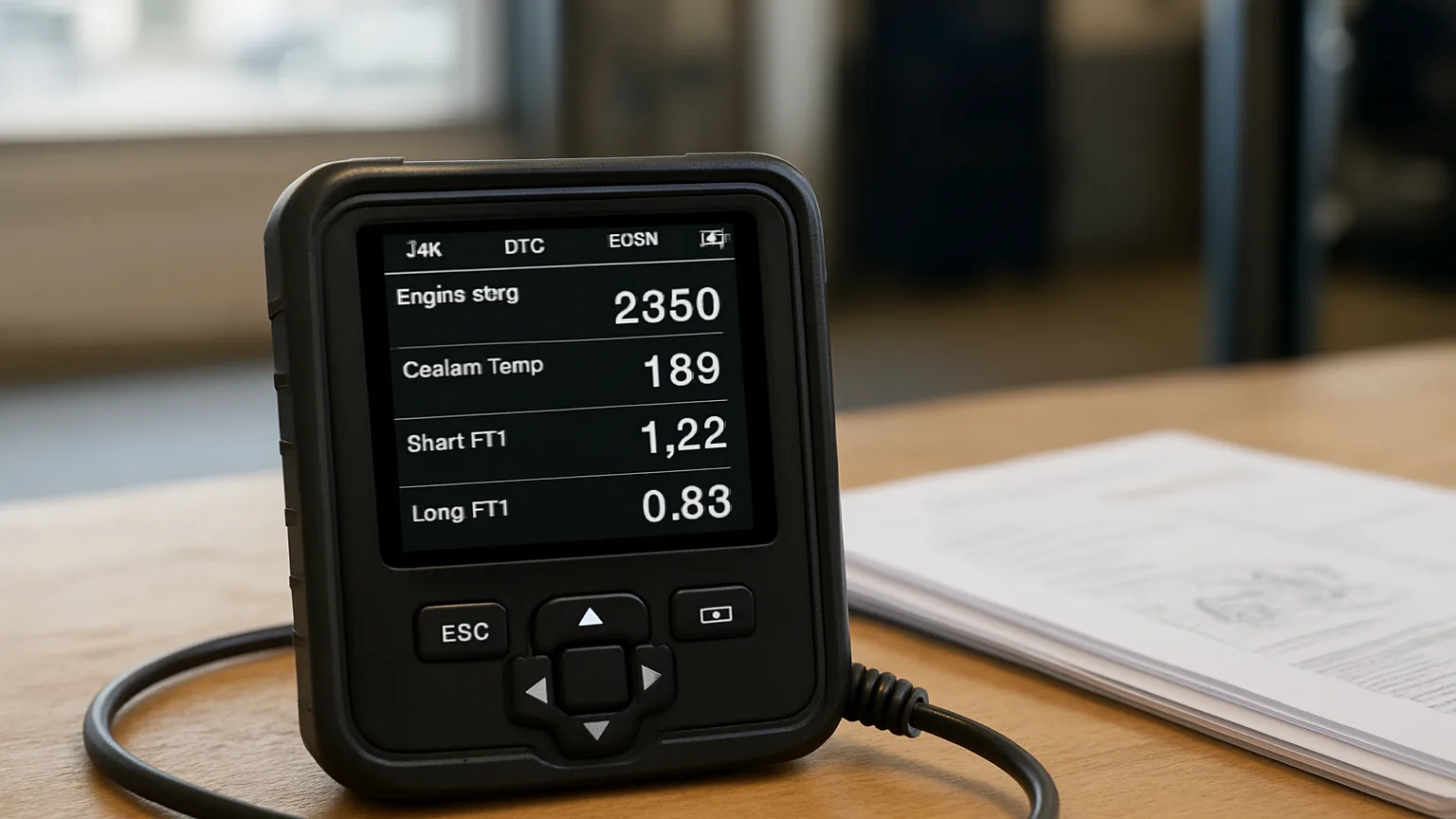
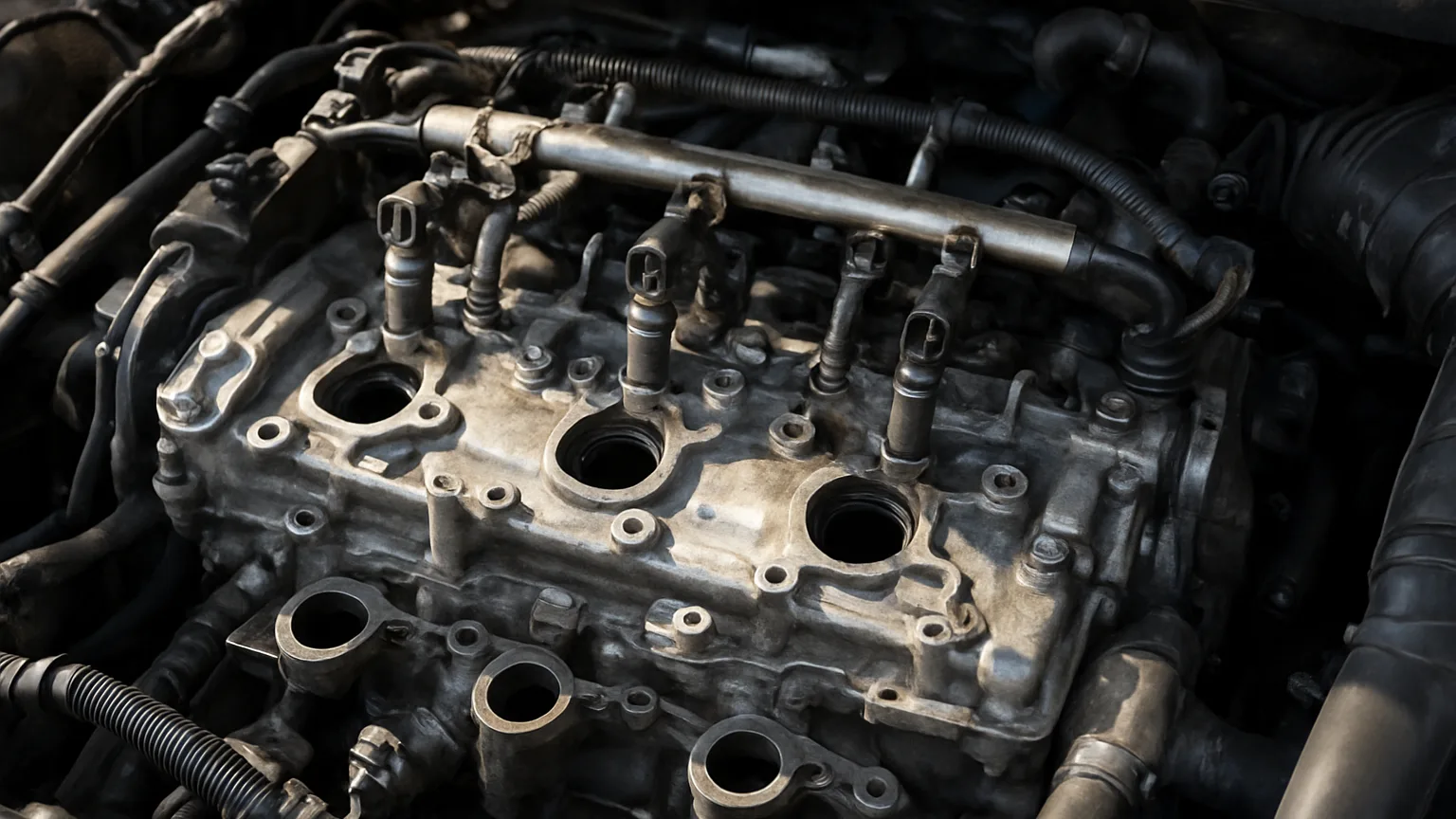
A misfire happens when one cylinder fails to burn its fuel. The spark plug may be worn. The coil may be cracked. An injector may be stuck. Whatever the cause, raw fuel leaves that cylinder and heads straight down the exhaust.
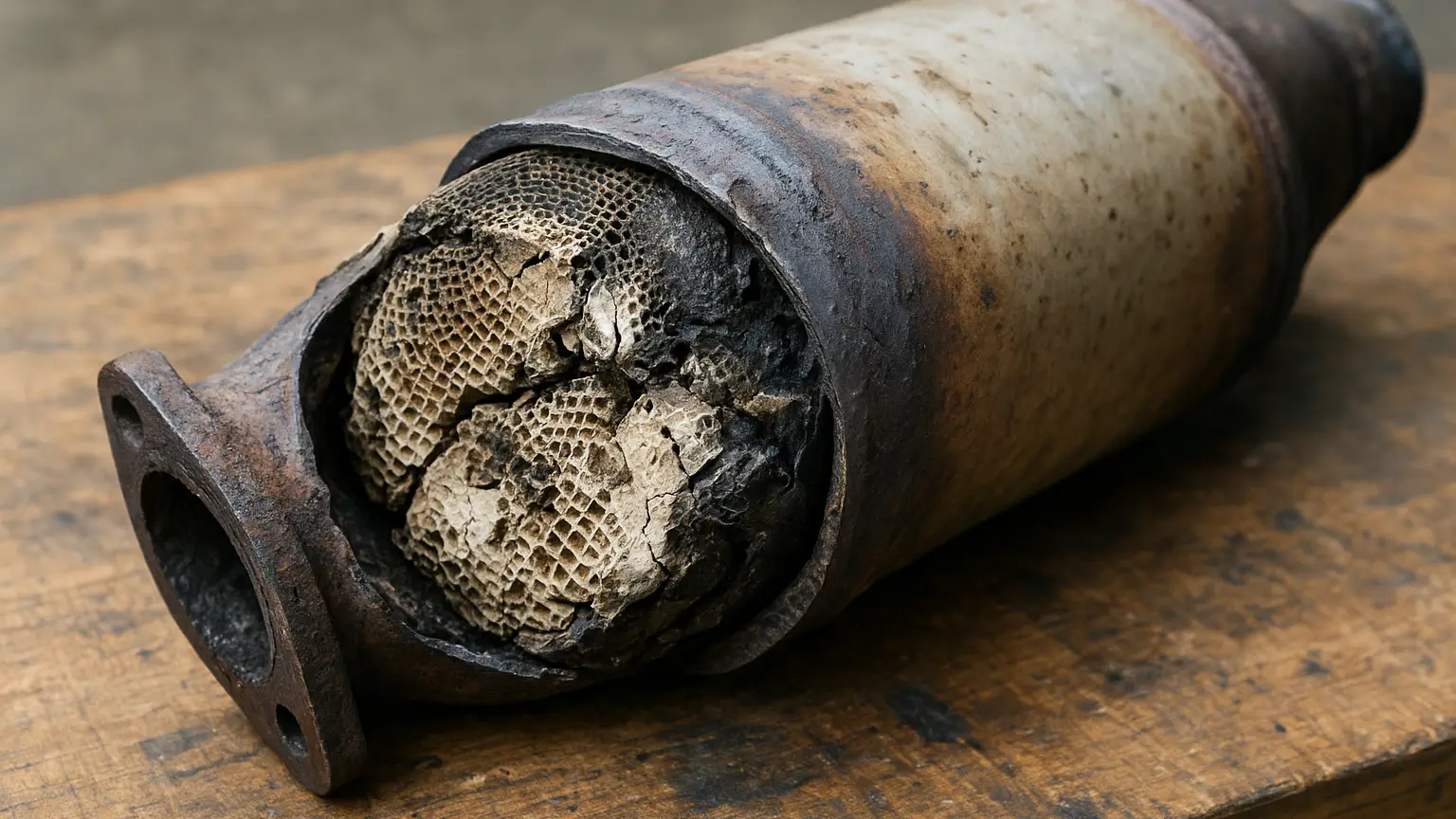
Waiting for it is your catalytic converter. Inside is a ceramic honeycomb coated with precious metals. It is built to clean up small traces of leftover fuel. It is not built to burn a steady stream of it.
When that extra fuel hits the hot honeycomb, it ignites. The converter gets far hotter than it was designed to run, often well past 2,000 degrees. The ceramic can crack, sag, or melt into a clump. A melted converter blocks exhaust flow, and the engine starts to choke.
How fast can this happen? With a hard misfire and a heavy foot, a converter can be damaged in a short drive. Some cars lose it within miles, not months. A converter can cost over a thousand dollars to replace. A spark plug or coil often costs a small slice of that.
"The flashing light is the car telling you it is hurting itself right now," says Marcus Delgado, service manager at Joe's Auto. "Ease off, get somewhere safe, and get it checked. That one choice is usually the difference between a coil and a converter."
Your Next Five Minutes
- Lift off the gas. Less load means less unburned fuel.
- Skip towing and hills. Heavy load makes misfires worse.
- Watch the light. If it stops flashing at lower speed, keep it gentle.
- Park if it keeps blinking. A tow is cheaper than a new converter.
- Note the details. Speed, weather, and any shaking help a tech find the cause.
Gates open Saturday nights in Pace, Florida. Check the schedule, grab your class rules, and get the car through tech the first time.
A crew chief does not fix a car by staring at it. They pull the data first. You can do the same with a code scan. A cheap reader plugs into the port under your dash. Many shops and parts stores will scan for free.
The scan gives you a code. That code is not the full answer, but it points the way. Here is how the most common misfire codes read:
- P0300: Random misfire across several cylinders. Think fuel, air leaks, or ignition.
- P0301 to P0308: Misfire in one cylinder. The last number tells you which one.
- P0420: Converter running below normal. This one often shows up after misfires were ignored.
A single-cylinder code is great news in disguise. A tech can swap that coil with its neighbor. If the misfire follows the coil, you found it. Simple tests like this keep you from buying parts you do not need. Knowing the basics of what the check engine light means makes that talk with your shop much easier.
Think of it like reading a race from the stands. Fans who use a grandstand decoder spot trouble before the announcer calls it. Drivers who scan early spot trouble before the tow truck shows up.
The dashboard is only one sense, though. Your ears pick up warnings the light never shows, which is why learning to spot squeals, chirps, and knocks is the natural next step. After that, your nose joins the team, since the rotten-egg odor of a hurting converter is one of the key car smells to catch early.
Read the Flag, Save the Engine
A steady check engine light is a yellow flag. It asks for a scan soon and a gentle drive until then. A flashing light is a red flag. It means a live misfire is dumping fuel into your catalytic converter, and that heat can wreck it in a matter of miles. Backing off, parking if needed, and getting a quick code scan can turn a costly failure into a cheap fix.
Race teams win by acting on data before parts break. You can drive the same way. Treat the light as your telemetry, treat the code as your first clue, and let a good tech confirm the cause. Do that, and the small amber light on your dash stops being a source of dread and starts being your best crew member.
<||FIELD_END||>Class rules, weekly payouts, and everything the pit gate needs before your first green flag.