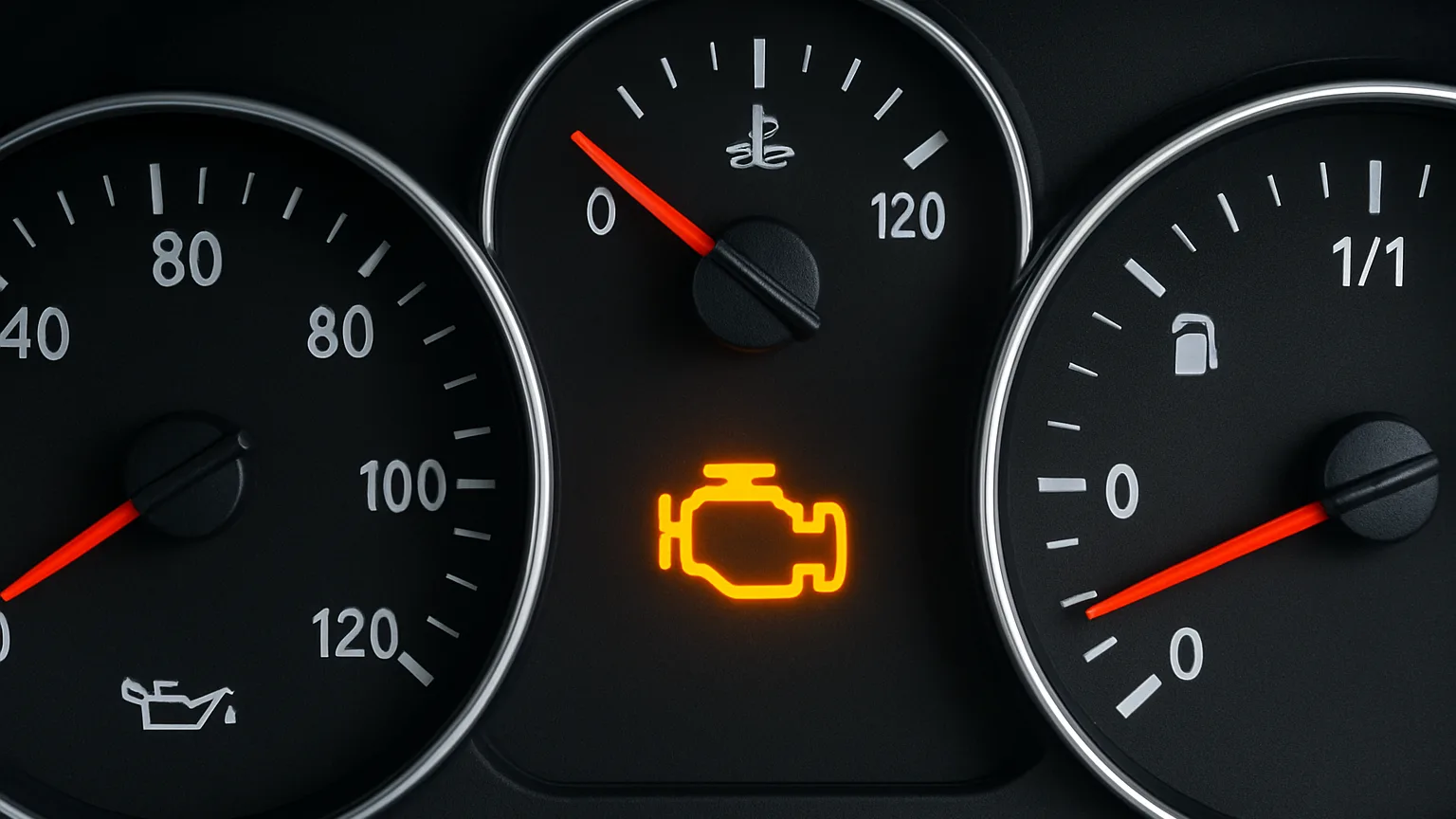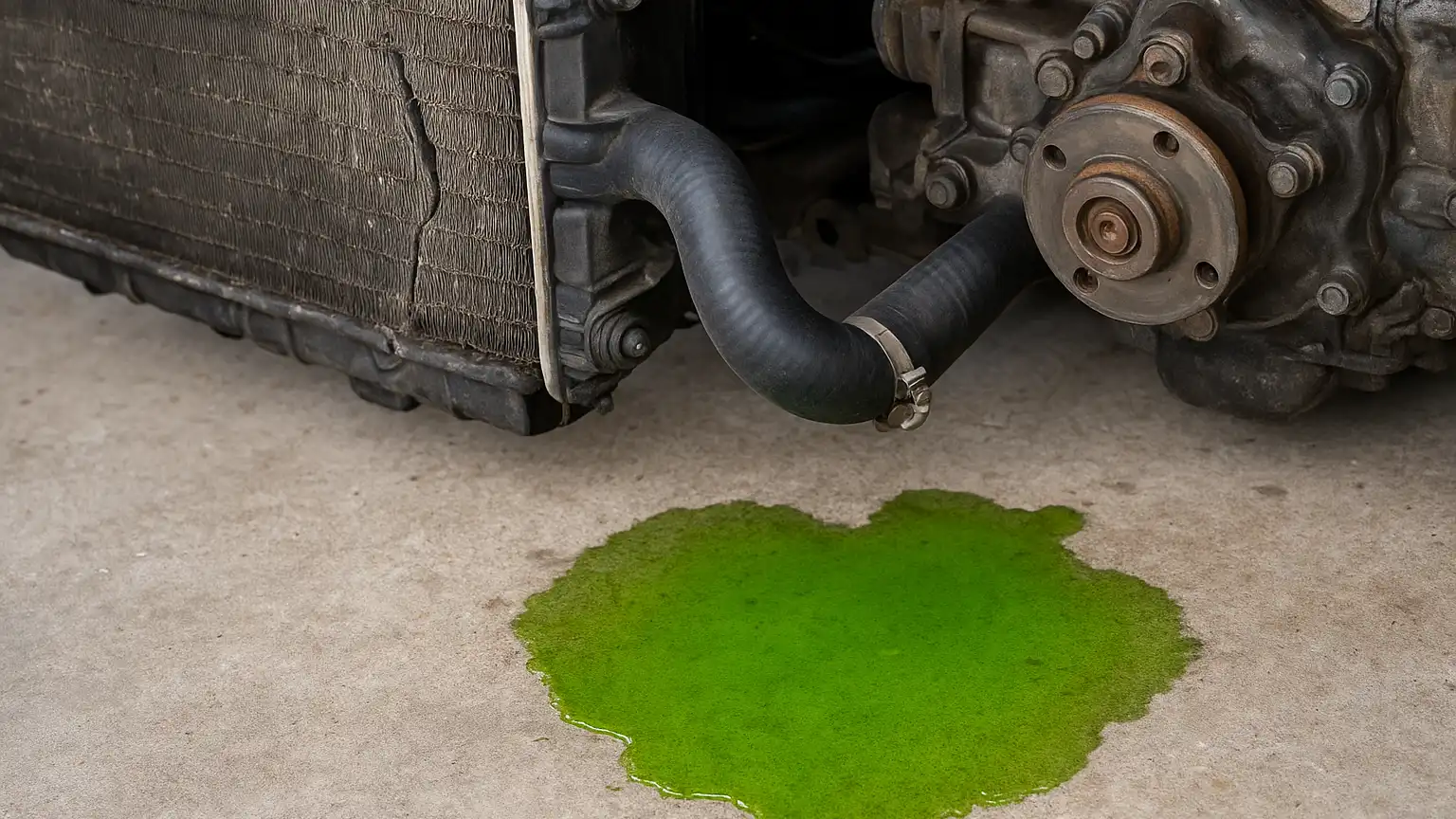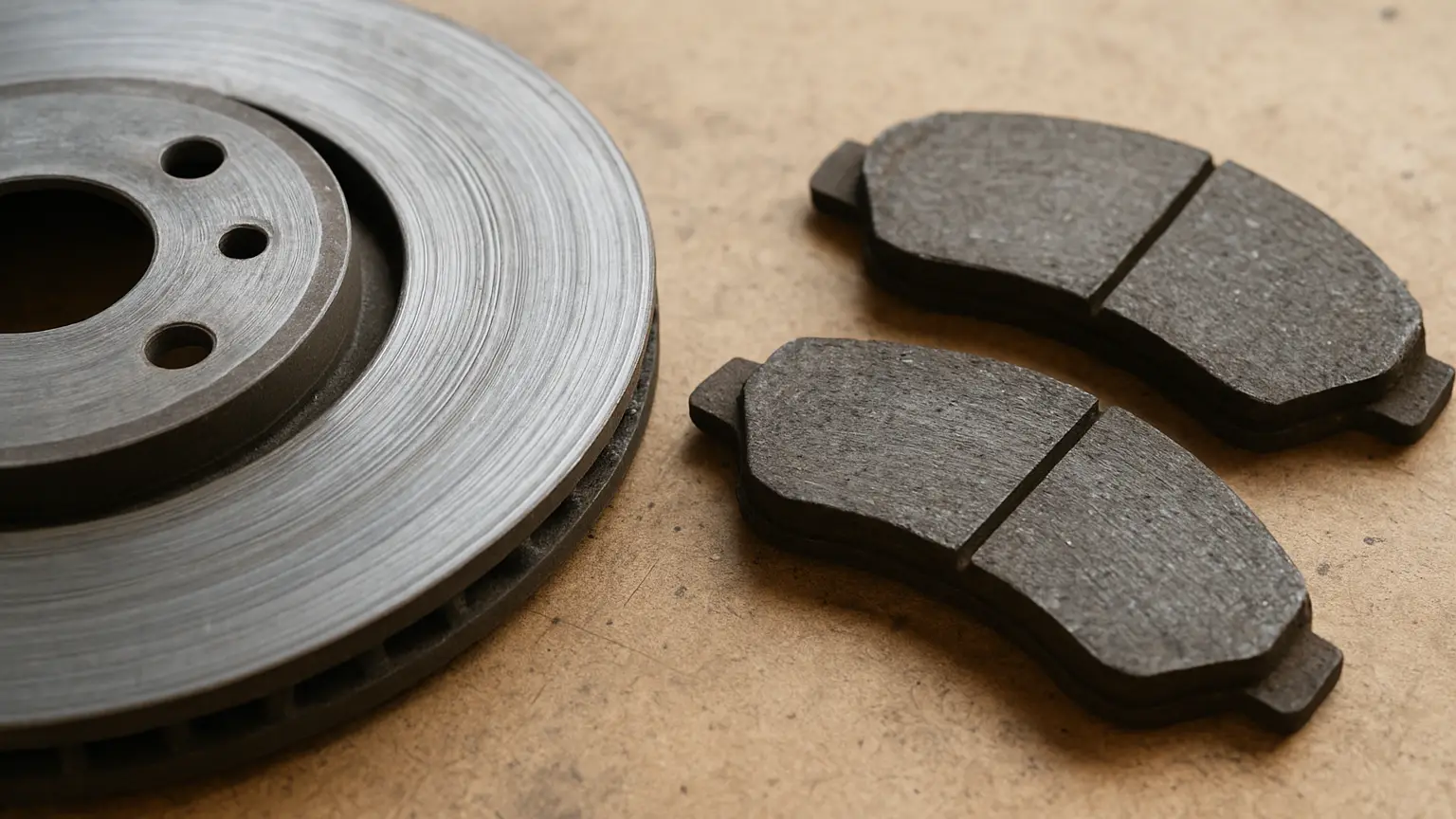
A check engine light gives you data on the dash. Your car also sends warnings you can hear, and they often show up first. We covered what steady and flashing lights mean, and how a misfire can cook a catalytic converter. Now it is time to use your ears.
This guide was shaped with insights from Joes Auto Shop. Their technicians hear the same few sounds every week, and they see what those sounds turn into when drivers wait too long.
A pit crew does not wait for a part to fall off. They listen at every stop and notice when a tone shifts. If you have ever used a grandstand decoder to read what a race team is doing, you already know the idea. Small clues tell you what comes next.
A noise only helps you if you know when it shows up and whether a smell or dash warning tags along. Before you call a shop, note these things:
- When it starts: cold start, after warm up, or all the time.
- What you are doing: braking, turning, speeding up, or sitting still.
- Where it comes from: a wheel, the front of the engine, or deep inside it.
- How it changes: louder with speed, louder with engine RPM, or steady.
Those four notes can cut diagnosis time in half and help you sort a cheap fix from a costly one.
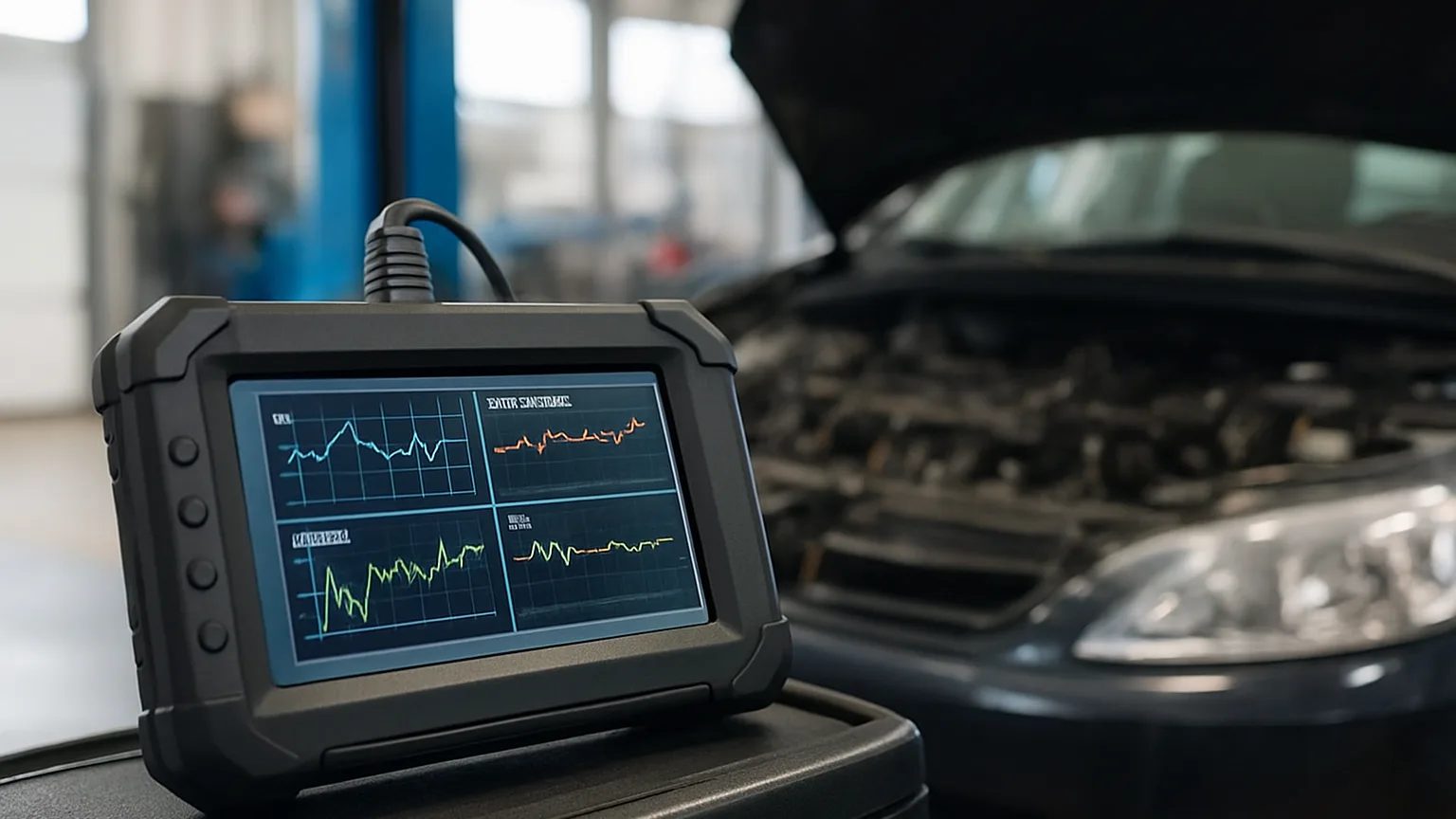
The Brake Squeal That Turns Into a Grind
Most brake pads have a small metal tab called a wear indicator. When the pad gets thin, that tab rubs the rotor and makes a high squeal. It is built to annoy you on purpose, because the pads are almost done.
Ignore it, and bare steel soon presses on the rotor. The squeal becomes a low grind you can feel in the pedal, and it cuts grooves into the rotor, a problem called scoring. A cheap pad swap now needs new rotors too, and the car takes longer to stop.
Not every squeal is wear. Dust, morning moisture, and cheap pads can all squeak. "A squeal that fades after a few stops on a damp morning is usually just surface rust, but a squeal that stays every time you brake means the pads need a look," says Daniel Ortega, lead brake technician at Joe's Auto. His point lines up with these common causes of squeaky brakes, which split harmless noise from real wear.
A grind, a pull to one side, or a soft pedal is never a wait-and-see sound. Drivers in Chandler and the rest of the East Valley who hear any of those should get their brakes inspected at a trusted local shop before the next long drive.
The Belt Chirp That Ends in a Snap
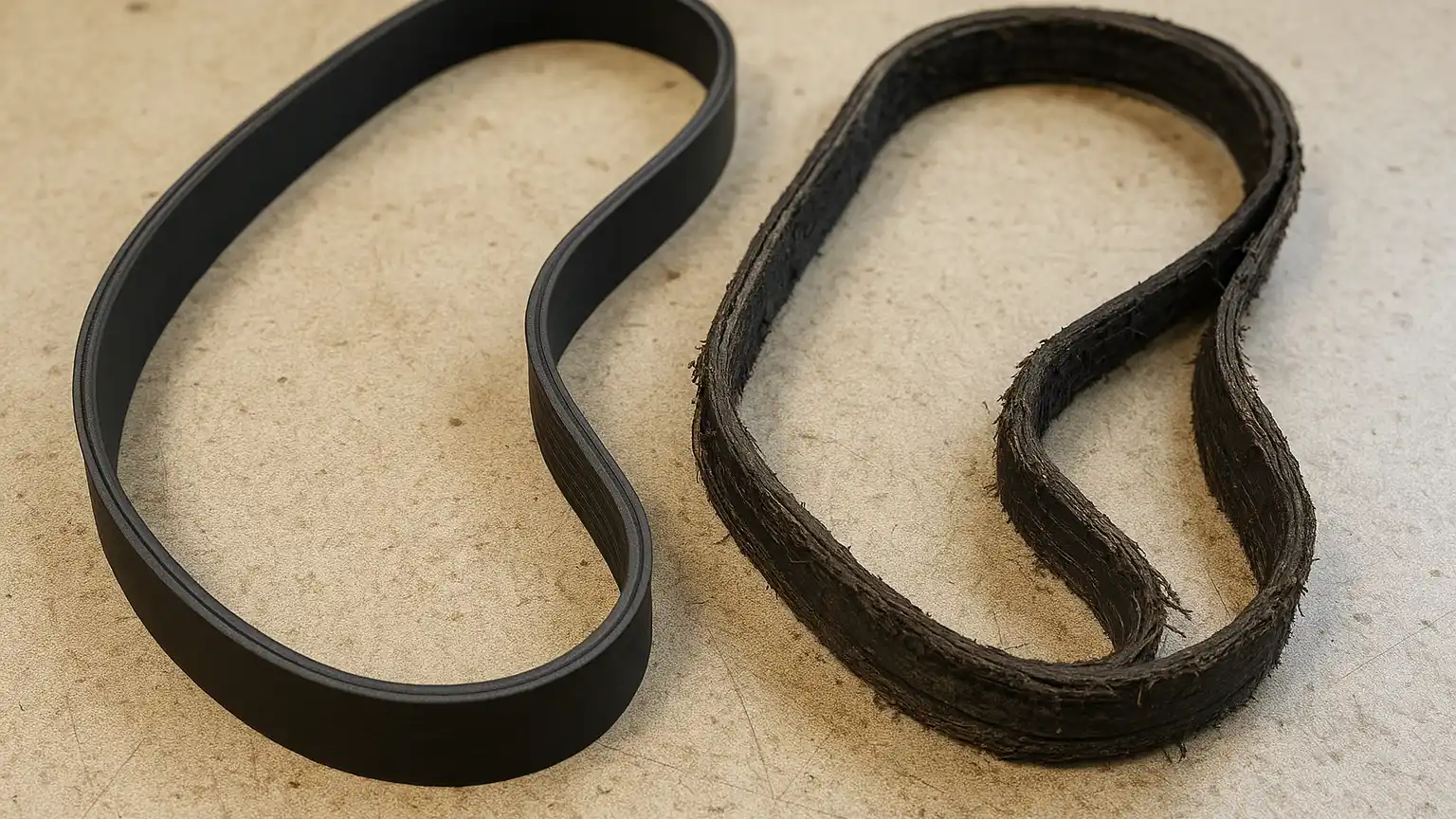
The serpentine belt is one long rubber belt at the front of the engine. It spins the alternator, power steering pump, A/C, and on many cars the water pump. When it chirps, it is slipping.
The usual causes are an old, glazed belt, a weak tensioner, or a pulley that is out of line or starting to seize. A chirp that gets worse on cold mornings or when you turn the wheel hard is a classic sign.
If the belt snaps, you can lose power steering at once and the battery stops charging. On many engines the water pump stops too, and the engine can overheat within minutes. A chirp is cheap to fix. A snapped belt on the highway is not.
Gates open Saturday nights in Pace, Florida. Check the schedule, grab your class rules, and get the car through tech the first time.
Engine knock is the sound to respect most. There are two kinds, and both deserve attention.
Pinging When You Speed Up
A light rattle, like marbles in a can, when you press the gas is often detonation. Fuel lights off too early in the cylinder, usually from low octane fuel, carbon buildup, or a bad sensor. Left alone, it can crack pistons and burn valves. Racers fight it hard, and the same rule holds for daily drivers.
Deep Knock That Follows RPM
A heavy, low knock that speeds up with engine RPM points to the bottom end: worn rod bearings or low oil pressure. This is the most serious noise in this guide. Check your oil right away. If it is low or the knock stays, stop driving. Bearings can fail and seize the engine with little added warning.
Sort the Sound: Today, This Week, or Watch It
Crew chiefs make fast calls with what they know, much like deciding to repair tonight or replace all before a race. Use this simple sort for your car.
- Stop and call today: metal brake grinding, a soft brake pedal, deep engine knock, a squeal plus a battery or temperature warning.
- Book it this week: a steady brake squeal on every stop, a belt chirp that keeps coming back, light pinging under load.
- Watch and note: a squeak that fades after damp mornings, a single chirp on a very cold start.
When in doubt, move the sound up one level. The team at Joes Auto Shop sees far more damage from waiting than from checking too soon.
Sound is only one sense. Your nose catches problems your ears miss, like a sweet coolant leak or burning oil on hot parts. That is why the next step is learning to read car smells early before the heat climbs.
Hear It Early, Fix It Cheap
Every noise here starts small. A brake squeal comes before a rotor grind, and fixing noisy brakes at the squeal stage usually means new pads instead of new rotors. A belt chirp comes before a snapped belt that leaves you without steering or charging, and a light ping comes before the deep knock that can end an engine.
Treat your car like a race team treats theirs. Listen at every stop, note when and where each sound happens and how it changes, and sort it into today, this week, or watch it. A few minutes of attention now can save you a tow, a ruined part, and a much bigger bill later.
Class rules, weekly payouts, and everything the pit gate needs before your first green flag.