Every race team has someone on the pit wall watching numbers. Oil pressure, water temp, and fuel flow stream in every lap. When one number drifts, the crew chief makes a call long before smoke ever shows. That call often saves the engine and the race.
A series in 3 parts
This series gives you that same job for your own car. It is written for everyday drivers, not mechanics. Your car warns you well before it breaks down. It does this through a light on the dash, a sound under the hood, or a smell after a drive. Most people ignore those clues or guess at them. Waiting is what turns a small, cheap fix into a tow and a big bill.
The series was shaped with hands-on input from the technicians at Joes Auto Shop. Every week they see how fast a simple warning grows when drivers put it off.
Catch Car Trouble Before It Strands You
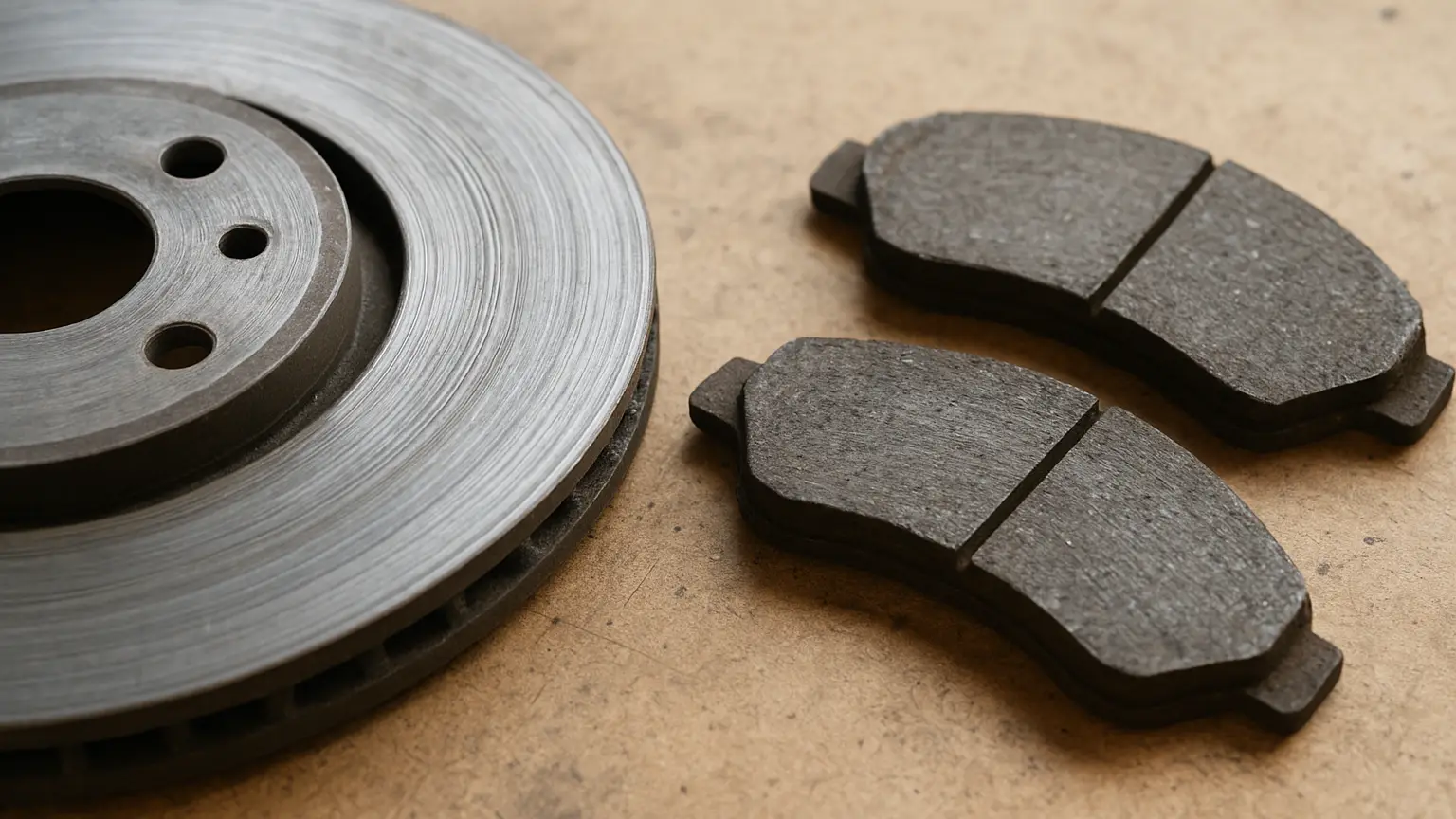
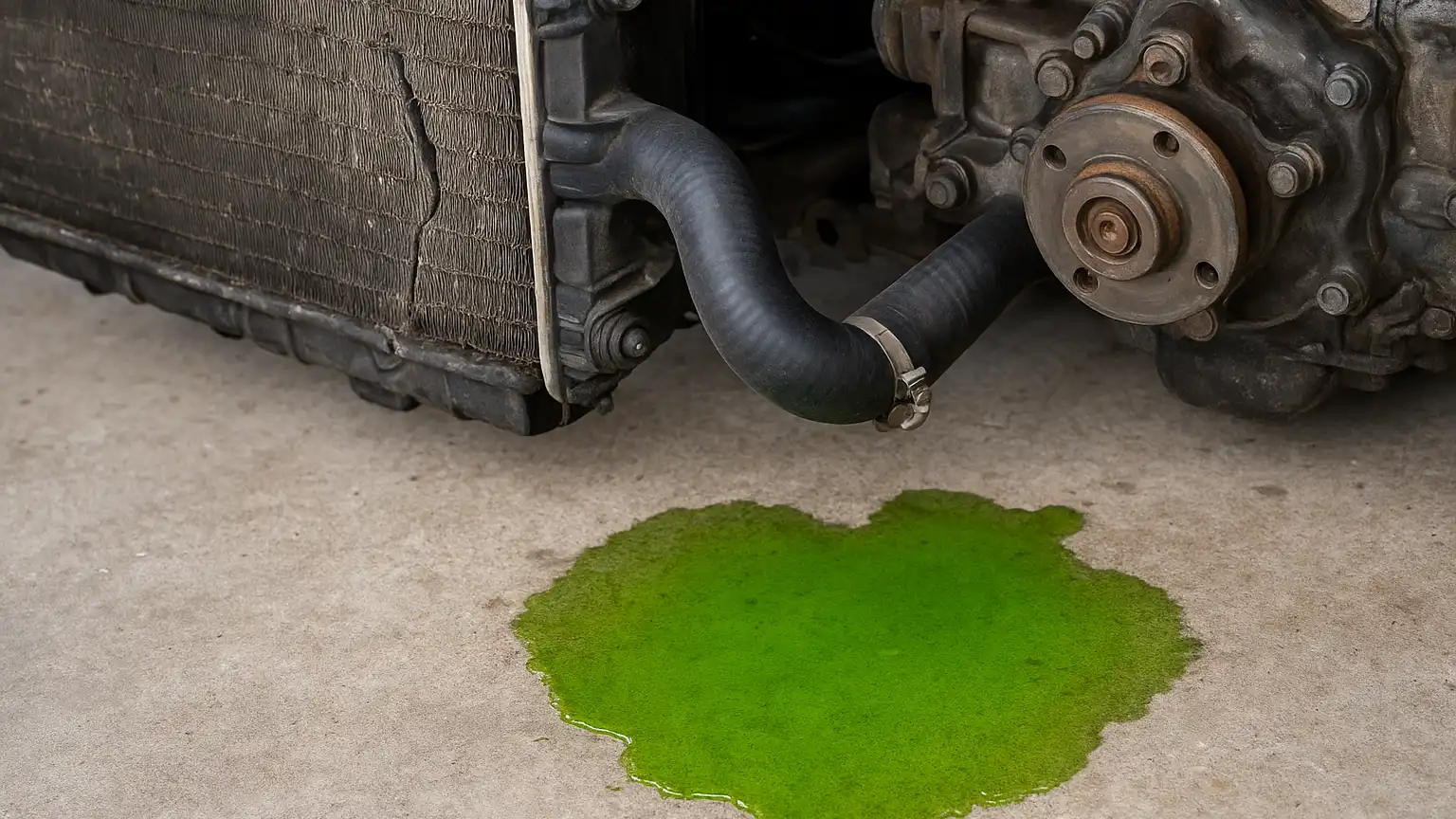
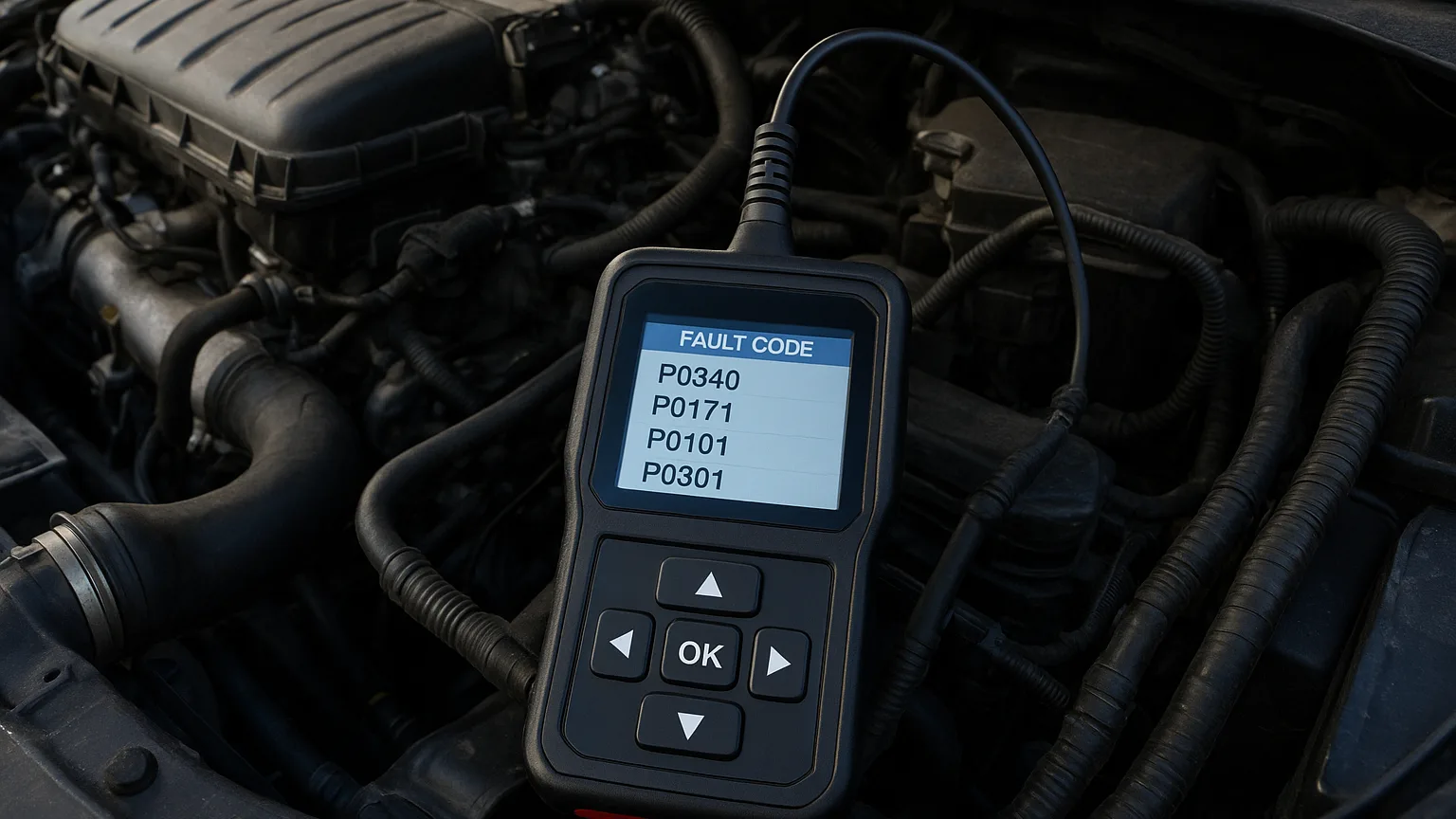
The series builds a toolkit one sense at a time. Each part adds a new way to read your car, and the last part ties them all together.
Start With the Dashboard Data
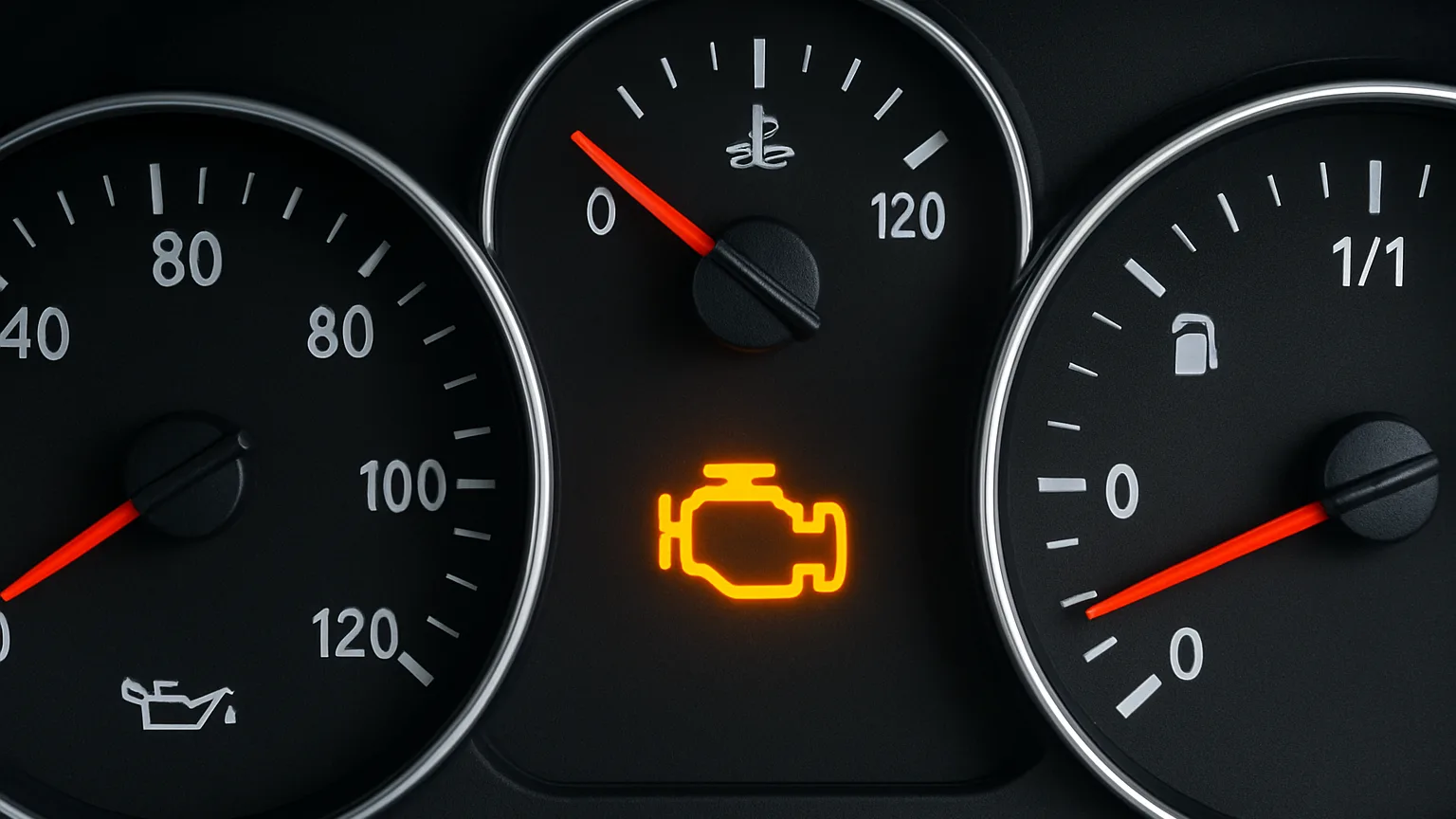
The check engine light is your car's version of the pit wall screen. It has two moods, and they ask for very different responses. A steady light means something needs a look soon. A flashing light means a misfire is happening right now. Unburned fuel can then cook the catalytic converter within miles. The fix starts with a quick code scan, which turns a vague amber glow into a clear plan. Racers know that guessing costs time. Data beats hunches every time.
Train Your Ears Like a Pit Crew
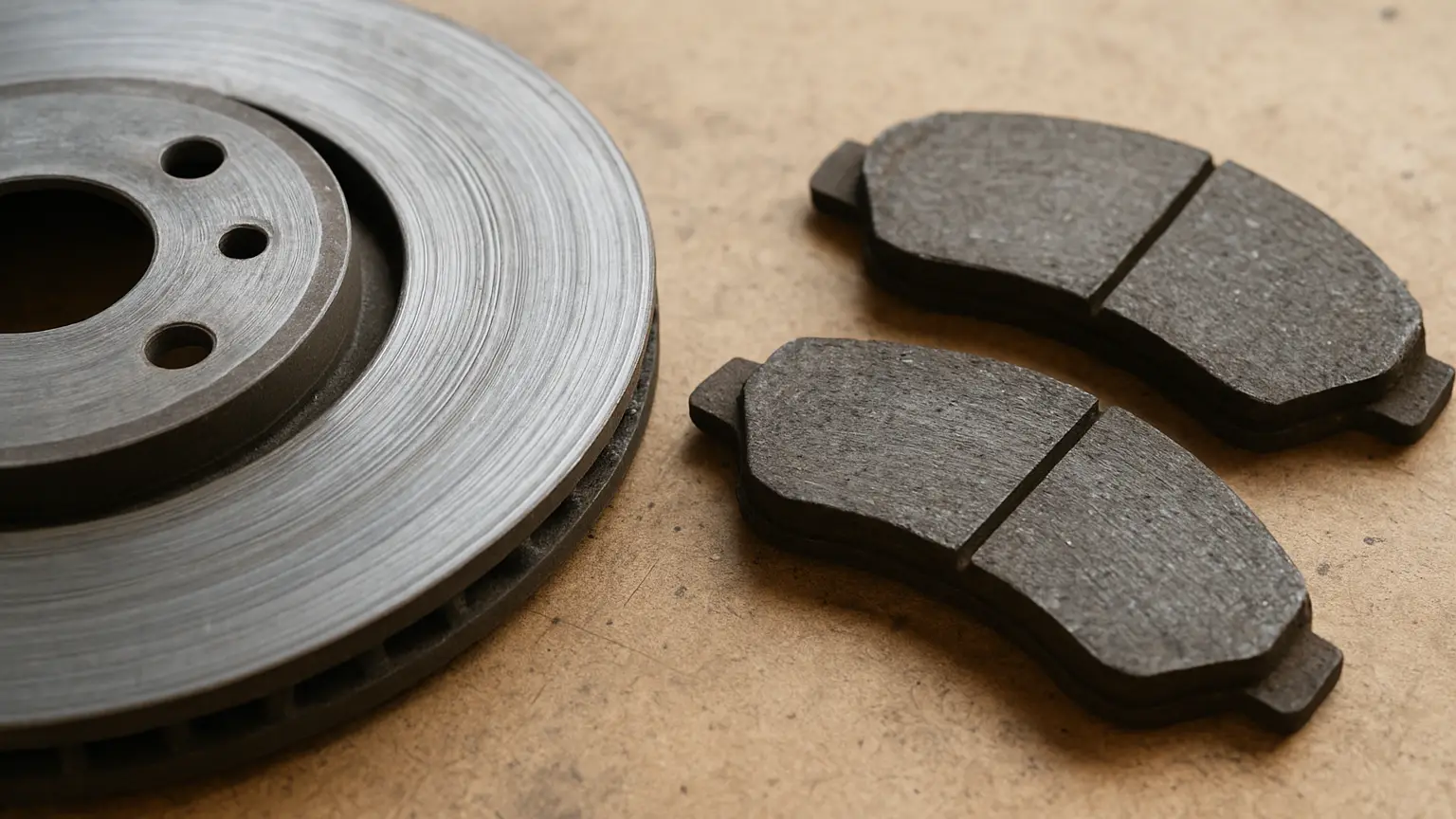
Sounds often show up before any light does. A pit crew listens at every stop and notices when a tone shifts. You can do the same. A brake squeal can turn into a grind that scores your rotors. A belt chirp can end with a snapped serpentine belt. Engine knock can lead to damage deep inside the motor. A noise only helps you if you know when it happens, so the second stretch teaches you to note a few details:
- When it starts: cold start, after warm-up, or all the time
- What you are doing: braking, turning, or speeding up
- How it changes: louder, sharper, or steady
Those notes help sort the sounds that need a shop today from the ones that can wait a week.
Let Your Nose Finish the Job
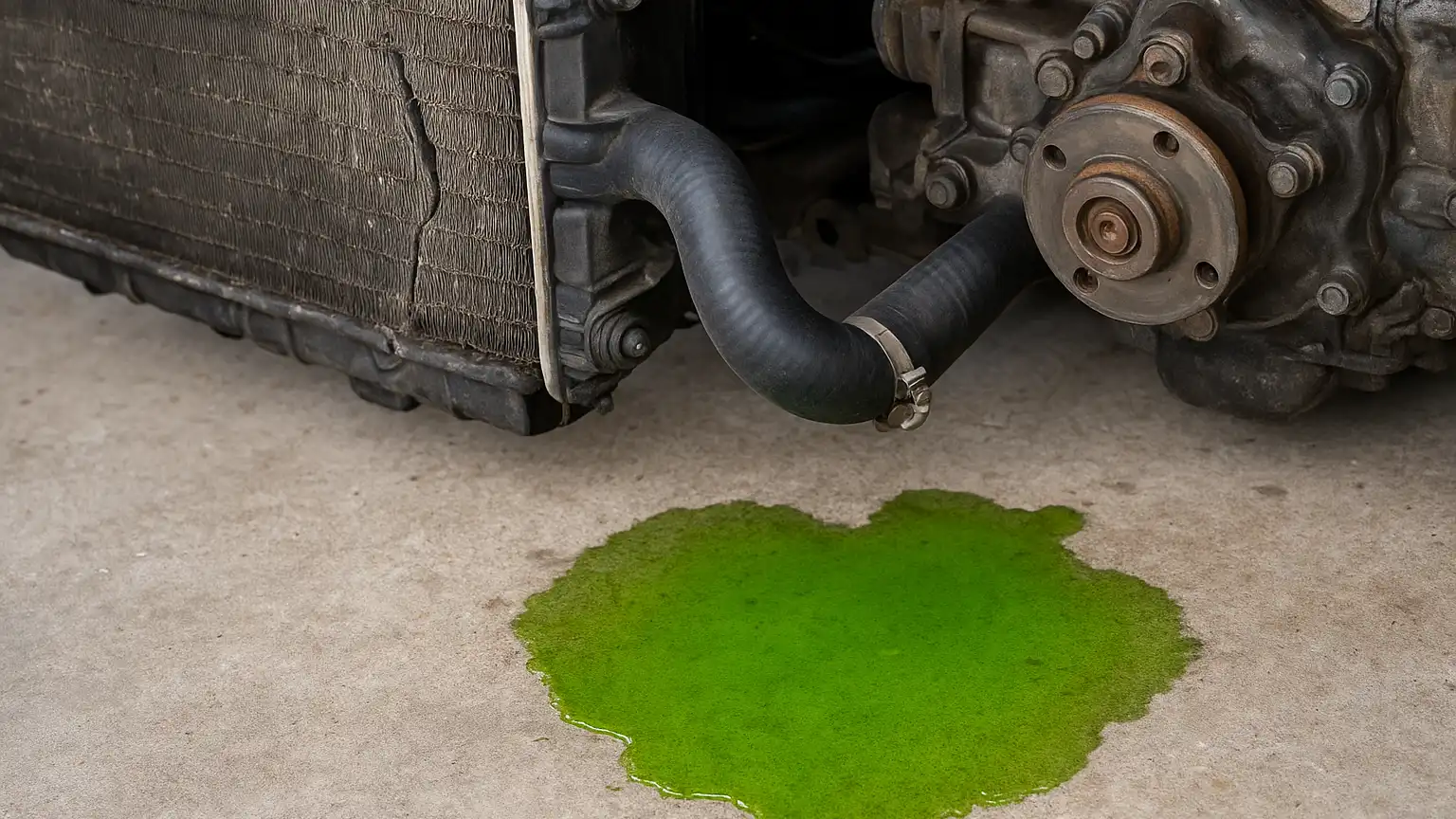
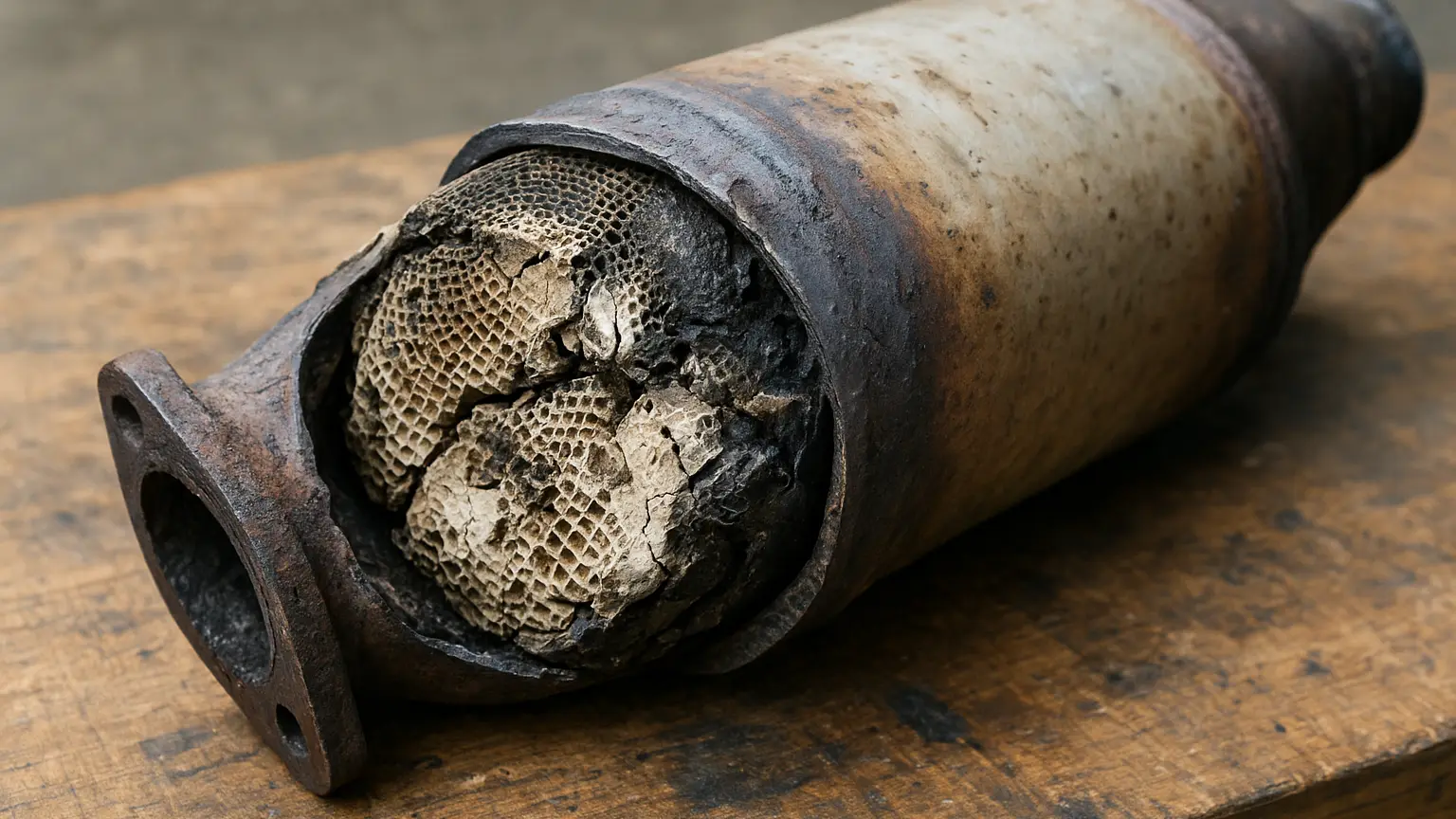
Smells can be the very first sign of trouble. A sweet, syrup-like scent almost always means leaking coolant, and that leak can lead to overheating once summer heat climbs. A burnt smell can point to a slipping clutch or oil dripping onto hot exhaust parts. A rotten-egg smell often means the catalytic converter is failing. Desert heat pushes weak parts past their limits every year, so a smell is only useful if you act while the fix is still small.
The final stretch then joins sound, smell, and dashboard data into one crew chief's checklist. It tells you plainly when it is time to bring the car in.
Gates open Saturday nights in Pace, Florida. Check the schedule, grab your class rules, and get the car through tech the first time.
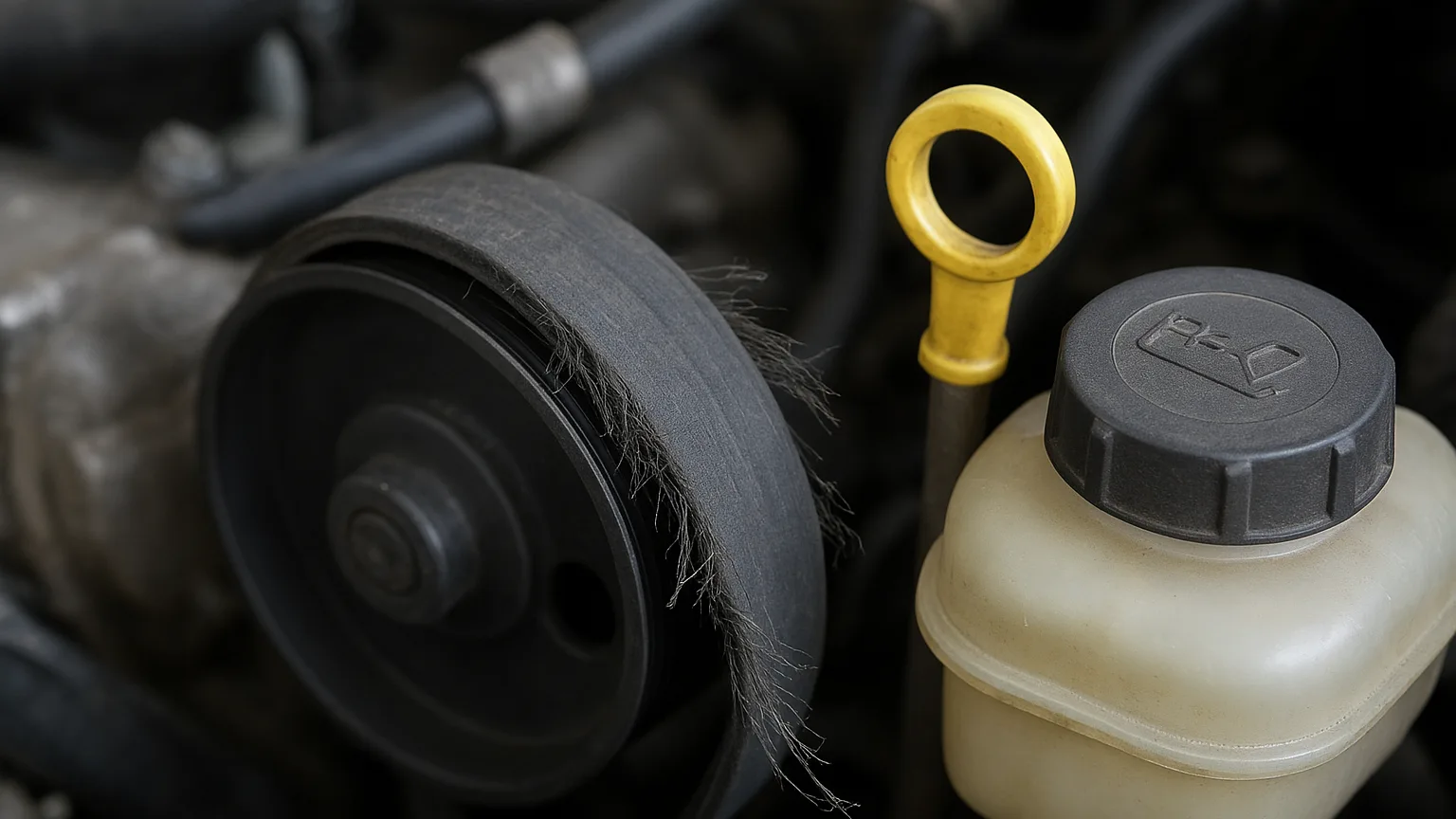
If you are new to reading your car, start with the first part and move in order. Each one builds on the last. The dashboard comes first, then sounds, then smells, and the full checklist waits at the end.
Already chasing a specific clue? Jump straight to the part that matches it. That might be a blinking light, a new squeal, or a strange odor after parking. Each part stands on its own, and together they teach you to notice small changes and act before they become breakdowns.
Quick answers
Is it safe to keep driving with a flashing check engine light?
No. A flashing light usually means a misfire that can overheat and ruin the catalytic converter within miles, so ease off and get the car checked right away.
Which car noises mean I should stop driving soon?
A metal-on-metal grind when braking, a deep knock from the engine, or a loud slap from the belt area all point to damage in progress. A light squeal or chirp is still a warning, but it usually gives you a little more time.
What does a sweet smell from my car usually mean?
It almost always means coolant is leaking. Left alone, the leak can lead to overheating, especially in hot summer weather.
Why does my car smell like rotten eggs?
A sulfur or rotten-egg smell often points to a failing catalytic converter or a fuel mixture problem. Get it checked before the converter fails completely.
Class rules, weekly payouts, and everything the pit gate needs before your first green flag.