Learning to tell a brake squeal from a belt chirp gives you a sharp ear. Now train your nose, because many drivers wait for a noise and miss how smells, sounds and lights connect. Smells often show up before a warning light or a strange noise, and they can be the first sign of trouble.
Much of this sensory approach was shaped by the hands-on expertise of Joes Auto Shop, whose team sees desert heat push weak parts past their limits every year. They stress that a smell is only useful if you act on it while the fix is still small. Like a race crew, watch for small changes and react early, especially when you start the engine and when you park.
The Sweet Smell That Warns of Summer Overheating
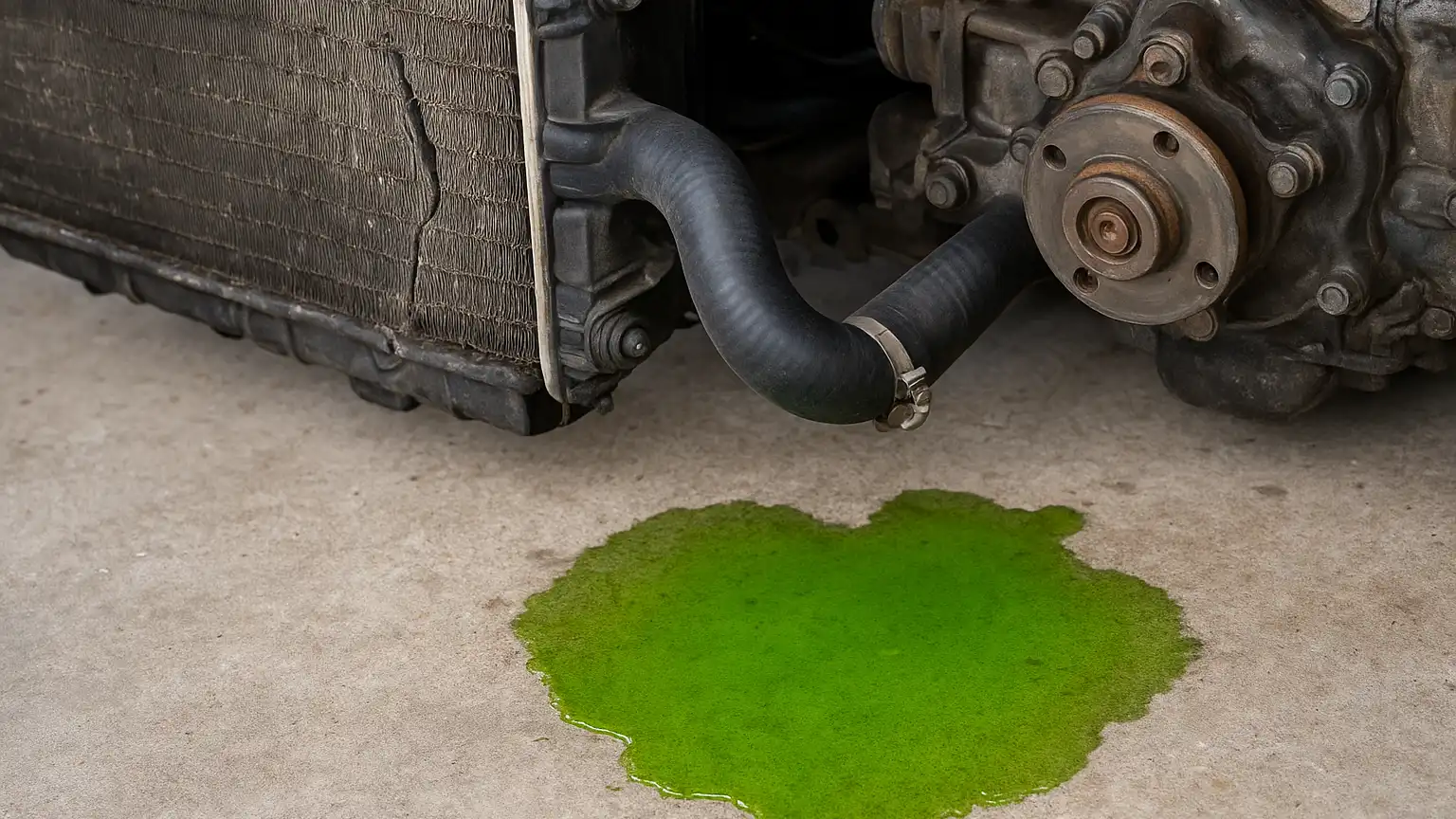
A sweet smell, a bit like warm maple syrup, almost always means coolant. Most coolant is made with ethylene glycol, which smells candy-like when hot. You may notice it near the front of the car after a drive or inside the cabin when the heat or air is on.
Where the Sweet Smell Comes From
Outside the car, the cause is often a loose hose clamp, a cracked radiator, or a weak water pump seal. Inside, the usual suspect is the heater core, which can also leave a greasy fog on the inside of your windshield.
Why Summer Makes It Urgent
A small leak might not matter on a mild spring day. In July, low coolant lets the temperature climb fast in traffic. An overheated engine can warp the cylinder head or blow the head gasket, turning that faint sweet smell into one of the most expensive repairs a car can have.
The same hoses and seals that hold coolant can also wear out from fuel blends. That is part of why ethanol is coming up so often when crews do a pre-season check on every soft part under the hood.
Coolant is toxic and tastes sweet to pets, so clean up any bright green, orange, or pink puddle under your car right away.
"Burnt" covers a lot of ground. Notice what kind of burnt smell it is and when it shows up, because each one points to a different problem.
- Burnt paper or a sharp, acrid smell: Often a slipping clutch on a manual car, showing up after hill starts, heavy traffic, or towing. The clutch is rubbing instead of gripping and wearing itself out.
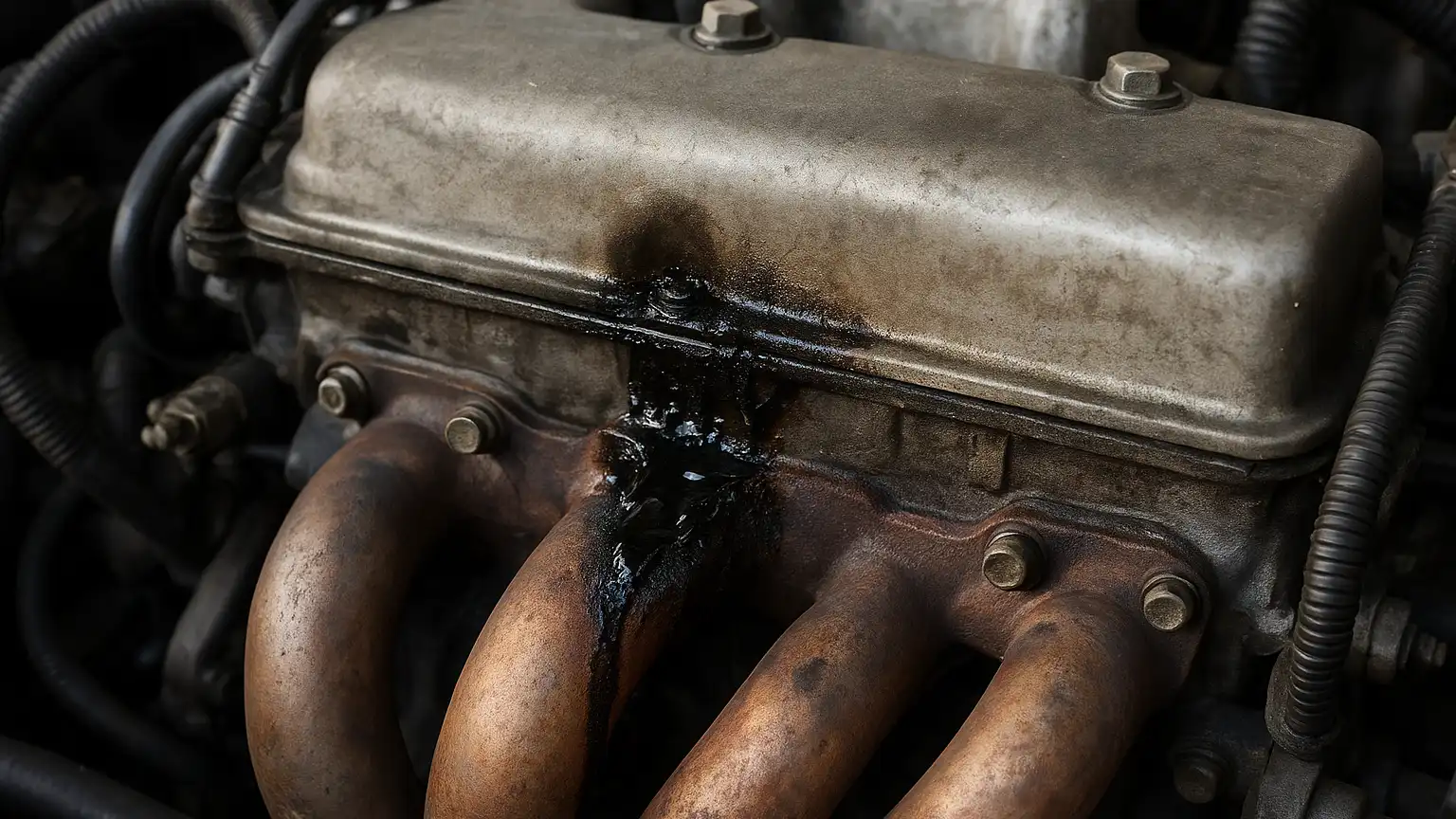
- Thick, smoky burnt oil: Oil is dripping onto a hot exhaust part, often from a worn valve cover gasket, and you may see light smoke at a stoplight. Exhaust parts can get hot enough to ignite oil, so a slow leak can become a fire risk on a hot afternoon.
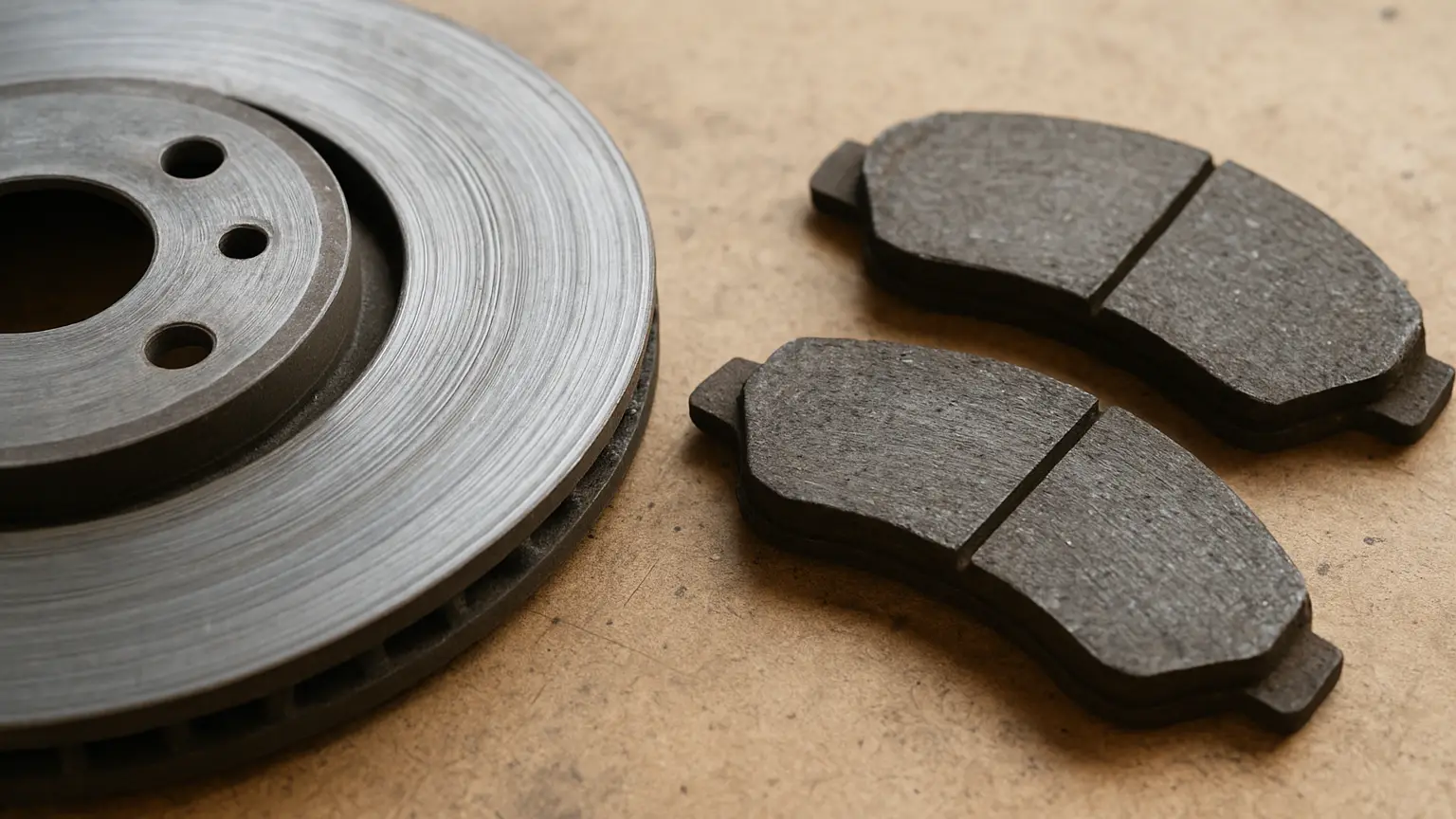
- Hot, metallic brake smell: Normal after a steep downhill run. On flat roads, a caliper may be sticking and dragging the pads.
- Burnt plastic or electrical smell: An overheating wire or connector. Treat it as serious, since it can lead to a fire.
"Drivers tell us they smelled something burning for weeks before they came in," says Marcus Delgado, service manager at Joe's Auto. "By then, a gasket job has often turned into a clutch job or new exhaust parts. The smell was the cheap warning."
A burnt smell paired with a noise is an even stronger signal. A grinding sound with a hot brake smell means the pads may be worn to the metal. Put your nose to work alongside the ear you trained on squeals, chirps, and grinds. When a smell and a sound point at the same part, it needs a look soon.
Gates open Saturday nights in Pace, Florida. Check the schedule, grab your class rules, and get the car through tech the first time.
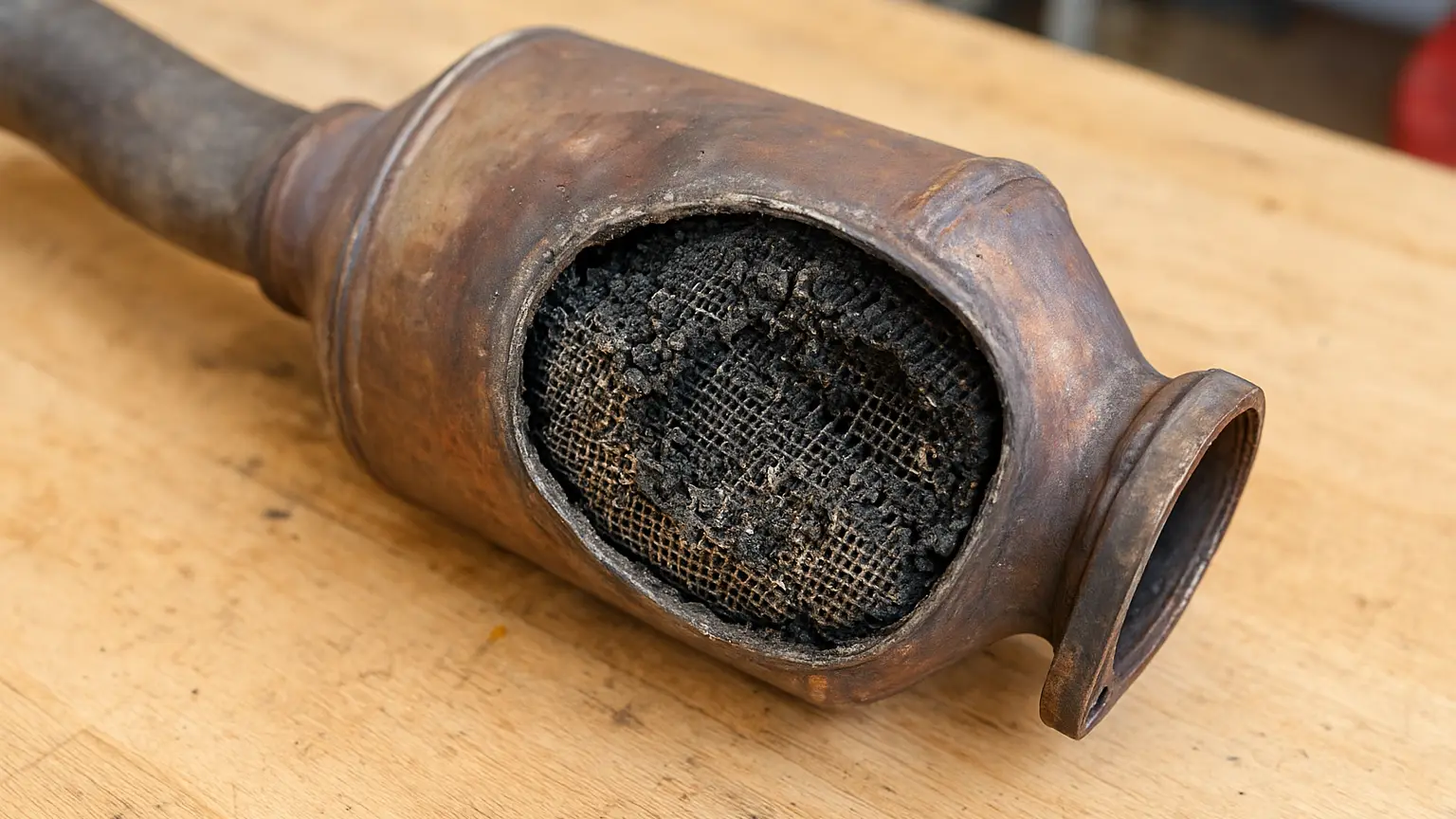
A rotten-egg smell comes from hydrogen sulfide. Fuel contains a little sulfur, which a healthy catalytic converter turns into gases you can't smell. When the converter is failing or overheating, that sulfur slips out of the tailpipe as a strong egg odor.
The root cause is often upstream. A misfiring engine sends unburned fuel into the converter, making it run hot enough to melt its insides over time. That is why a flashing warning light and a sulfur smell often go together, a link explained well in the guide on reading a flashing check engine light.
A failing converter can also fail your emissions test. Drivers in Chandler who end up needing smog test failure repairs often find the egg smell was there for months before the results came back.
One Exception Worth Knowing
If the egg smell is under the hood rather than at the tailpipe, it is likely not the catalytic converter trouble that ends in failing a vehicle inspection. An overcharging battery may be leaking gas with the same odor. Do not touch it. Have the charging system tested.
The Crew Chief's Checklist for Bringing the Car In
A good crew chief never trusts one signal alone, comparing data, sound, and feel before making a call. Guessing costs time, and every tenth you guess away on race day works the same way for your daily driver. Use these rules to sort what you notice.
Bring It In Today
- A flashing check engine light
- Any burnt plastic or electrical smell
- A sweet smell with a rising temperature gauge
- Smoke from under the hood
- Knocking from the engine
Book It This Week
- A steady check engine light
- A rotten-egg smell from the exhaust
- A burnt oil smell with no smoke
- A belt chirp or a light brake squeal, the kinds of sounds covered in the guide to car noises that can't wait
Watch and Note It
- A faint sweet smell that comes and goes
- A hot brake smell only after long downhill drives
Write down when each sign shows up: on a cold start, after a long drive, or with the air on. Clear notes help a shop find the cause much faster.
Every Sense Points to the Same Pit Stop
Your car talks to you through the dashboard, through sounds, and through smells. Sweet means coolant, burnt odors point to clutches, oil, brakes, or wires, and rotten eggs point to the catalytic converter or the battery. Notice small changes, match the signs, and act before summer heat turns a minor leak into a breakdown. When two signals agree, you already have your answer: bring the car in.
Class rules, weekly payouts, and everything the pit gate needs before your first green flag.