

Walk any pit area on a Saturday night and you can hear the change. Cars that used to sound like eight different builders now sound like one. That is not your ears playing tricks. It is the sealed engine wave, and it has moved from a handful of crate classes into the middle of the short track world faster than most racers planned for.
If you are sketching out a winter build right now, this matters more than any shock or spring decision you will make. Because the wrong call means you spend real money on a combination that could be rules-illegal, or worse, legal but hopelessly outgunned on payback per dollar. Here is a short summary before the details: more divisions are converting to sealed spec engines every year, the up-front cost is usually higher than a used open motor but the yearly cost is dramatically lower, and the decision window closes when your track publishes its rulebook, not when you finish your build.
Promoters Are Chasing Car Counts, Not Horsepower
Promoters are not doing this to annoy engine builders. They are doing it because car counts pay the bills, and car counts have been getting hammered by a spending spiral that nobody could stop from the inside.
Here is how that spiral works in an open-motor class. One team finds a few horsepower. Everybody else notices on the stopwatch. Within a season, five teams have freshened, three have gone to a new head package, and the guy who was running mid-pack on a budget is now running last on the same budget. He parks the car. Car count drops by one. Then two. Then the class gets cut from the weekly program.
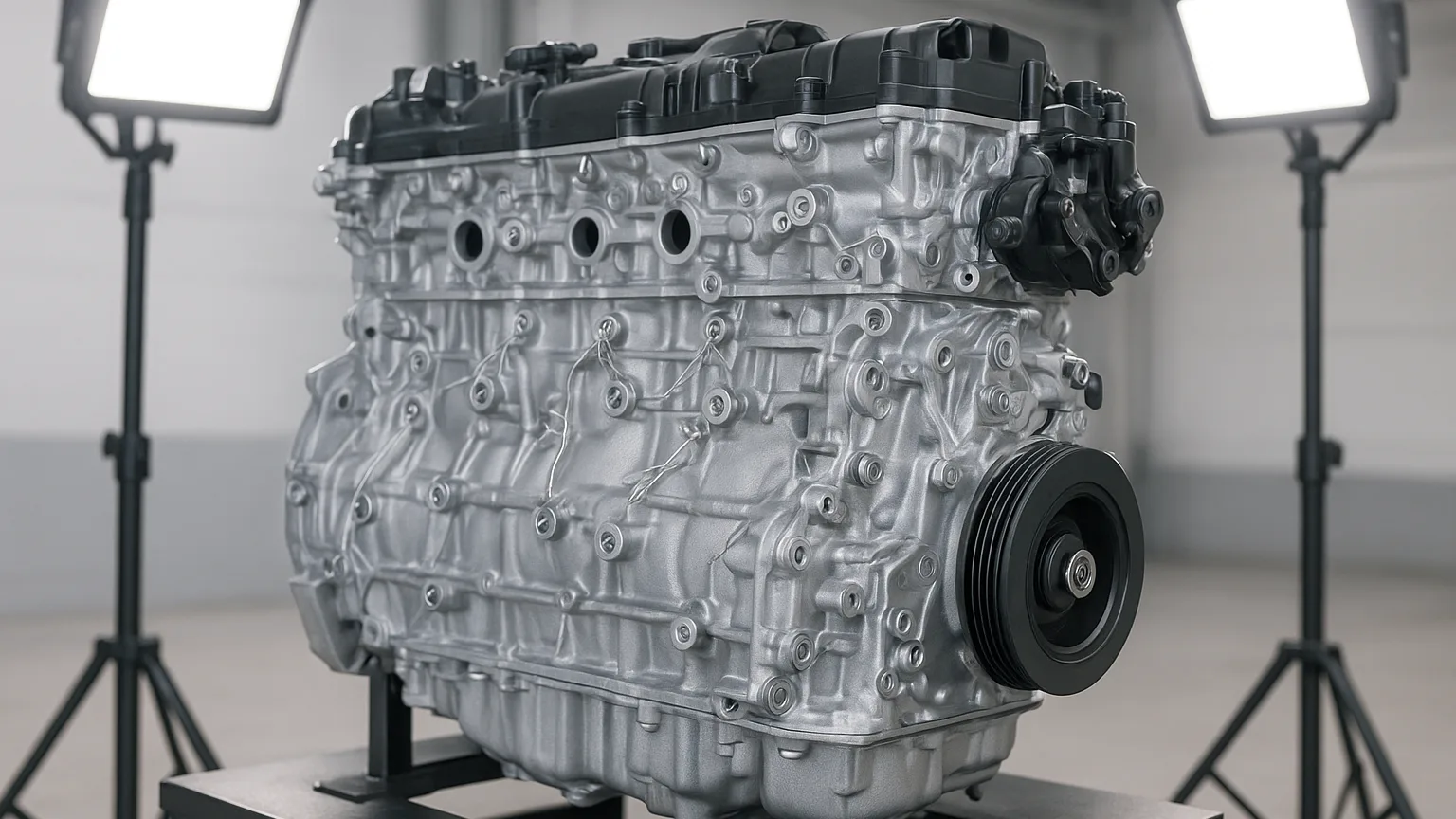
A sealed engine breaks that loop with a piece of wire and a stamped bolt. Once the seals go on, the internals are off limits. Everybody in the field is working from the same power number, and the racing shifts back to setup, tires, and driving. Track operators like that for three practical reasons:
- Tech gets simple. A tech official can check seals in under a minute instead of pulling a head at midnight and starting a fight in the pits.
- Protests calm down. Fewer gray areas means fewer teardowns, fewer hurt feelings, and fewer teams leaving mad.
- Rookies actually show up. A new racer can buy a known package and be within a few tenths of the leaders in week one. That is the single biggest driver of car count growth.
The other quiet reason is regional travel. When several tracks in the same area run the same sealed package, a car built for one place can chase money at four or five others. Racers follow purses. Promoters know it.
Which Divisions Have Already Flipped
The conversion did not happen all at once, and it did not start at the top. It started in the classes where the money pain was worst relative to the payout.
Already Sealed or Mostly Sealed
Entry-level stock and pure stock divisions were first. Then came the huge middle of the sport: sportsman-style modifieds, limited late models, and street stock classes that had quietly turned into arms races. Many of these now run a sealed crate package as the only legal option, with a small weight break if a track allows an older open motor to age out.
Currently Splitting Into Two Fields
This is where most of the confusion lives. A lot of tracks run a combined class with sealed cars at one minimum weight and open cars heavier. On paper it is fair. In practice, the weight numbers get adjusted every year based on who is winning, so an open motor built this winter may be racing a hundred pounds heavier next winter. That uncertainty is exactly why builders are steering customers toward sealed.
Still Firmly Open
Super late models, big-block and 358 modifieds, sprint cars, and the top touring divisions remain open, and there is no real sign of that changing soon. If you race at that level, this whole discussion is about your feeder classes and where your future drivers will come from, not about your own motor.
Three Seasons Of Spending, Side By Side
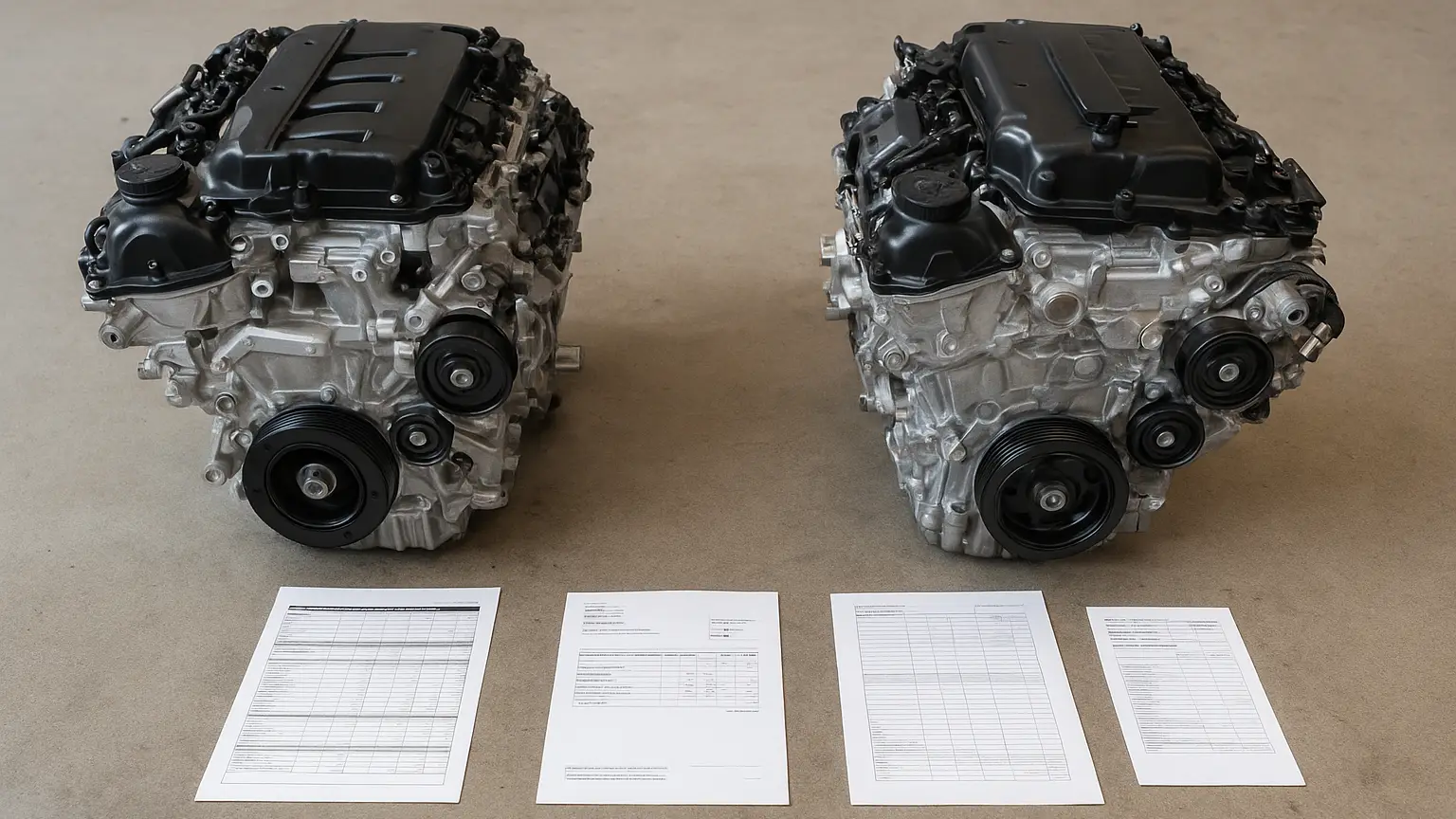
Most racers compare the sticker price of a sealed crate engine to the sticker price of a used open motor, decide the sealed one costs too much, and stop thinking about it. That comparison is broken, because it only looks at one line on a three-year spreadsheet.
Look at a realistic three-season cycle instead. These figures are ballpark ranges from typical short track packages, and yours will vary by region and by division, but the shape of the math holds up almost everywhere.
The Open Motor Path
- Initial build or purchase: a good used open motor, freshened, lands lower than a new sealed unit. That is the part everybody likes.
- Freshening: plan on it every season, sometimes twice if you run a full schedule plus specials. Each visit is real money, and each one tempts you into "while it is apart" upgrades.
- Chasing: this is the killer line item. When somebody in your class finds power, you either match it or accept losing. Two chase cycles can cost more than the original motor.
- Spare engine: effectively mandatory, because a hurt open motor takes weeks to get back.
- Resale: soft and getting softer. Every division that converts shrinks the buyer pool for your parts.
The Sealed Motor Path
- Initial purchase: higher, and it stings when you write the check.
- Yearly upkeep: oil, filters, and a certified refresh at a set interval with a published price. No surprises.
- Chasing: not a line item. You cannot buy power, so you spend that money on shocks, tires, and seat time.
- Spare engine: often shared or rented within a group of local teams, since the packages are identical.
- Resale: strong, because demand keeps expanding as more tracks convert. A sealed motor with documented refresh history sells fast.
Add it up over three years and the sealed path usually comes out ahead, sometimes by a wide margin. But the number that should really get your attention is not the total. It is the predictability. A sealed program lets you budget in January and still be racing in September. An open program means one bad night at the far end of the straightaway can eat your remaining season.
Where Sealed Costs Bite Back
It is not all upside, and any shop that tells you otherwise is selling something. Sealed engines punish neglect. There is no cheap way to fix a fried sealed motor, because you cannot legally open it yourself. Cooling, oil pressure, and fuel quality suddenly become the most important things in your trailer, and that is doubly true for anyone running higher ethanol blends where soft parts age faster than people expect, so ethanol is coming should be part of your winter checklist before the seals ever turn a lap. You also give up the fun of building. For some racers that is a real loss, and it is fair to weigh it.
Gates open Saturday nights in Pace, Florida. Check the schedule, grab your class rules, and get the car through tech the first time.
How To Choose Without Guessing
The build window is shorter than it feels. Parts lead times, refresh backlogs at certified shops, and your own available weekends all compress into about ten weeks of real work time. Decide early and you get your pick of inventory. Decide in February and you take whatever is left on the shelf.
Five Questions That Settle It
- What does your home track's rulebook actually say for next season? Not this season. Call the tech director and ask directly whether an open-motor grandfather clause has an end date.
- How many nights will you race? Under fifteen nights a year, a solid used open motor can still pencil out. Over twenty-five, sealed wins on upkeep alone.
- Where else do you want to race? If the three tracks within towing distance are sealed, your open car has one place to go.
- What is your true annual number? Write it down. Then ask whether you can absorb one unplanned engine repair without missing races.
- Are you losing races on power or on grip? Be honest. Most mid-pack cars are losing on setup, and no motor fixes that.
If You Go Sealed
Buy from a seller who can hand you documentation: seal numbers, refresh dates, dyno sheet if one exists. Then spend the savings where it moves the stopwatch. Shocks, a real corner-weighting session, better tire management, and data. When everybody has the same power, the driver who understands their car by feel and by number wins, which is exactly why every tenth you guess away separates the top five from the rest of the field. Build a proper cooling and oiling safety net too, including gauges you actually watch and an alarm you cannot ignore.
If You Stay Open
Go in with a plan, not hope. Set a hard ceiling on what you will spend chasing power and honor it. Keep your parts list to combinations that hold resale value in touring divisions, not just weekly ones. And ask your track for a written multi-year weight policy so you are not rebuilding for a rule change in twelve months.
The Winter Decision That Follows You All Season
The sealed engine trend is not a fad that promoters will quietly drop. It solved a problem that grassroots racing could not solve on its own, which was that talent kept getting priced out by checkbooks. Entry-level and mid-tier divisions have already made the jump, split classes are trending the same direction with weight rules that change year to year, and only the top touring ranks look safe from it. The cost math backs the move: higher up front, far lower and far more predictable over three seasons, with resale value that is climbing instead of sinking.
What you do with that depends on how many nights you race, where you want to haul, and how much of your budget you can afford to lose to one broken part. Make the call now, while shops have inventory and you still have weekends. Racers who pick their path deliberately this winter will spend next season tuning and learning. The ones who wait will spend it writing checks to catch up, and every one of those checks buys less speed than the one before it.
Class rules, weekly payouts, and everything the pit gate needs before your first green flag.


