

Part 2 of 2 in the series Crack Watch: From Chip to Checkered Flag: The Complete Series.
In part one we looked at how to read a fresh chip: the shape, the size, how close it sits to your line of sight, and the habits that stop a star break from running while you drive home from the track. Now comes the decision that actually costs you time. Do you inject it tonight, or tear the whole windshield out and give up a Saturday?
This series was shaped with technical input from Clear Quality Auto Glass, whose team works on cracked glass every day and knows how a "we'll deal with it later" chip turns into a scrapped weekend. Their guidance runs through the calls below, especially around cure times and cold weather behavior.
The Three Questions That Decide It
Forget the marketing. Repair or replace comes down to three things, and you can answer all three in your own garage with a flashlight and a tape measure.
It also helps to spend a minute on glass in las vegas before settling on an approach.
- How big is it? Rock chips and bullseyes up to roughly a quarter are strong repair candidates, and cracks under about six inches often are too. Once a single crack runs longer than your hand, resin is no longer holding much of anything together.
- Where is it? Anything sitting directly in the driver's primary viewing area is a judgment call, because even a perfect repair leaves faint distortion. A tech inspector looking through that spot may not care how good the fill was.
- Has it reached the edge? A crack that touches or nears the perimeter is a replacement, full stop. The edge carries the structural load, and once it is compromised the panel flexes differently every time you hit a rough corner.
There is a fourth question racers forget: how much does the glass matter to the rest of the car? On modern vehicles the windshield is a structural member and often carries the mount for camera-based driver assist. On a tow rig, that panel is holding part of the roof up while you drag a trailer down the interstate. That changes the math away from "it's just a windshield."
What Resin Injection Actually Does
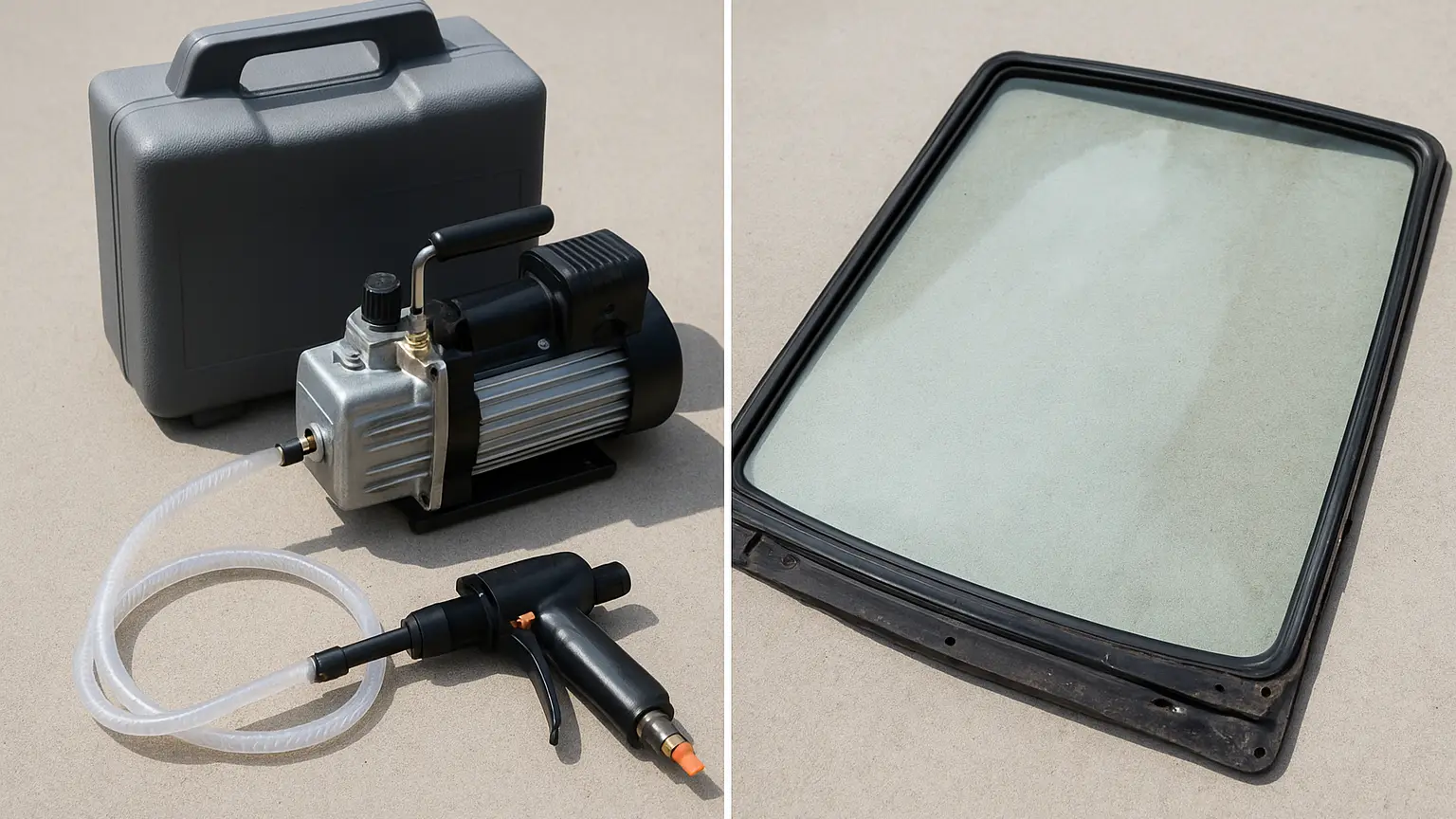
Repair does not erase damage. It fills the void with a clear acrylic resin under vacuum and pressure, then cures it hard so the crack cannot spread. Done right, you get back most of the original strength in that spot and the blemish shrinks to a faint mark you have to hunt for. The real benefit for anyone with a race schedule is speed: a single chip is usually a thirty to forty five minute job. Nothing is bonding the glass to the body, so there is no waiting on urethane, and a UV lamp cure is measured in minutes.
When Repair Is The Wrong Answer
Skip the injection and go straight to new glass if you see multiple long legs radiating from one impact point, a crack that has already crossed the middle of the driver's view, contamination in the break from weeks of rain and road grime, or delamination showing as a cloudy, silvery patch. Resin cannot bond to dirt and it cannot re-laminate separated layers.
How Long Before You Can Hook Up And Go
Here is where most people get burned. They hear "one hour job" and plan to hook up the trailer the same afternoon. Repair and replacement live in totally different time zones, and the difference is the adhesive.
Repair Timeline
Resin injection has effectively no waiting period after cure. The tech pulls the bridge, scrapes the pit flush, polishes it, and you leave. Nothing is bonding, nothing is gassing off, nothing needs protecting. You can wash the car, tow that night, and run tech the next morning.
Replacement Timeline
New glass gets set in urethane adhesive, and urethane needs time to reach what the industry calls safe drive away time. That number depends on the specific adhesive, the bead size, the ambient temperature, and the humidity. On a warm humid afternoon you might be looking at an hour. On a cold dry morning the same product can need several hours to hit the same strength, because moisture in the air is what triggers the chemistry.
- Do not slam doors for the first day. Pressure spikes inside the cabin can push a fresh bead out of position. Crack a window instead.
- Skip the pressure washer for at least 24 to 48 hours. High pressure water at the trim edge is exactly what a curing bead does not want.
- Leave the retention tape alone for a full day even though it looks terrible. It is holding alignment, not decoration.
- Avoid rough hauling on day one. Towing a loaded open trailer over expansion joints while urethane is green is asking for a wind leak or worse.
- Plan for recalibration if the vehicle has a forward-facing camera. That is a separate procedure with its own time block, and skipping it leaves a safety system aimed at the wrong place.
Put that on a race calendar and the answer gets obvious. A Thursday night repair costs you an hour of TV time. A Friday afternoon replacement can eat your load-in window, your tow, and your morning practice. It is the same scheduling discipline that keeps you from guessing at setup, and it pairs with the mindset behind every tenth you guess away during a season where nothing is spare.
Mobile Service Versus In Shop Work
Mobile repair is a genuine advantage when the clock is against you, and a chip fill in your driveway is as good as one done in a bay. Full replacement is different. Wind, dust, and cold surfaces all fight against a clean urethane bond, and shops in dry desert climates deal with the same variables that crews handling glass in las vegas manage year round, from surface temperature to airborne grit. If it is windy or below freezing, a controlled indoor bay wins.
Gates open Saturday nights in Pace, Florida. Check the schedule, grab your class rules, and get the car through tech the first time.
What The First Frost Does To A Chip You Ignored
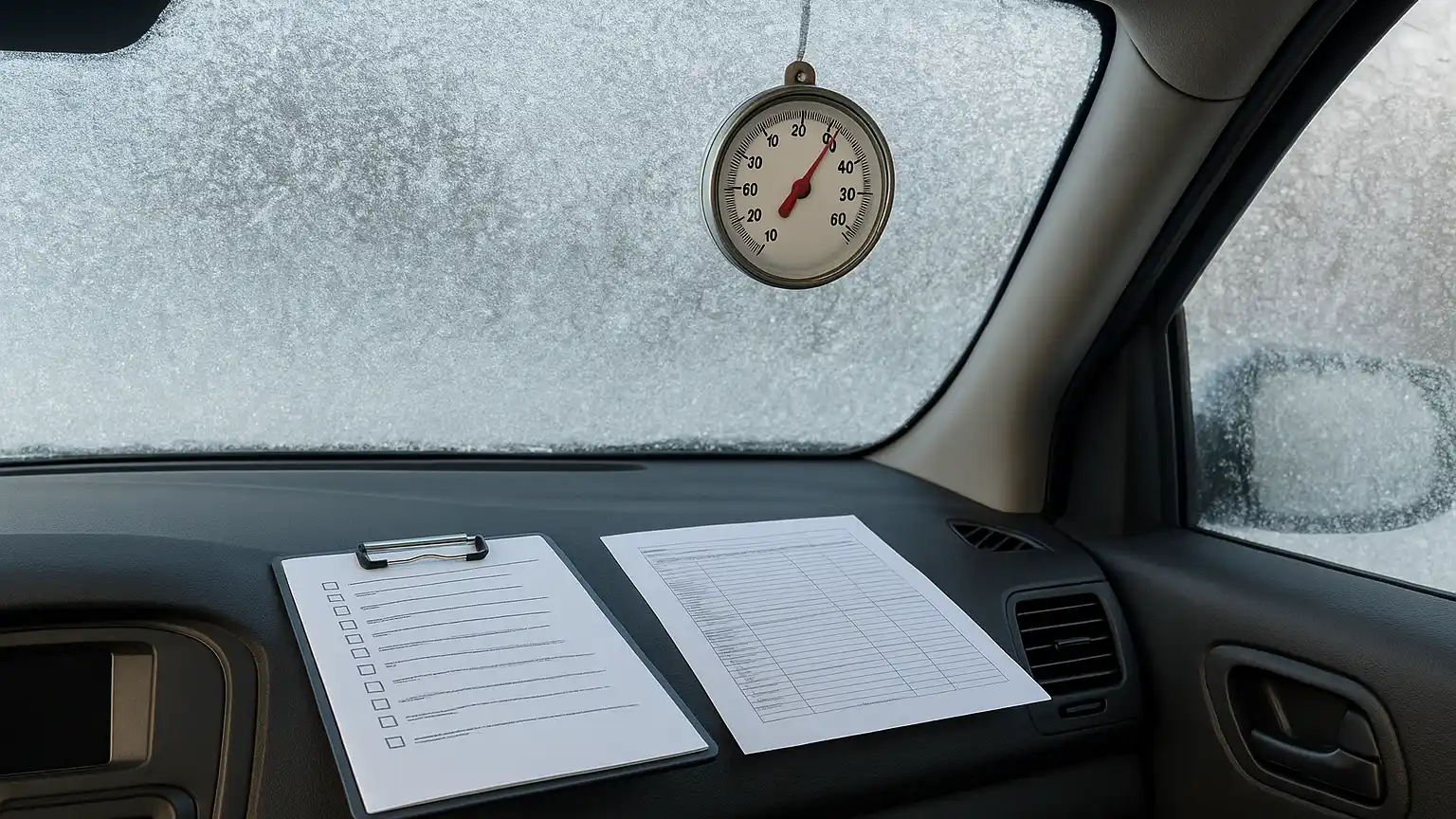
Glass hates temperature swings. A windshield is two sheets of glass bonded to a plastic interlayer, and all three materials expand and contract at different rates. When cold air hits the outside while your defroster blasts heat on the inside, the panel is being pulled in two directions at once, and a chip you have been ignoring since August is a stress riser sitting right in the middle of that fight.
This is why so many long cracks appear overnight in the fall with nobody near the car. The damage did not get hit again. It got cold, then got heated, and the crack ran because that was the path of least resistance. Point a defroster at a chipped windshield on the first frosty morning and you can watch a line walk across the glass in real time.
The Cold Weather Chain Reaction
- Moisture in the break freezes and expands, prying the layers apart from the inside.
- Contamination sets in as water carries dirt into the crack, which means resin will never fully bond even if you get to it later.
- Repair windows close. A quarter-sized bullseye in September is a forty minute fix. In November it can be a fourteen inch crack and a new panel.
- Adhesive cures slower in cold, dry air, so the replacement you were forced into now takes longer to make road-safe.
- Costs multiply. The gap between an injection and a full replacement with sensor recalibration is not small.
The technical takeaway from the team at Clear Quality is straightforward: cold does not create windshield damage, it reveals and accelerates what was already there. Which is exactly why the triage steps from every lap is widening matter so much in the weeks before the temperature drops.
Passing Tech With Glass You Can Trust
Tech inspectors are not grading cosmetics. They are looking for anything that compromises vision or driver safety, and a crack crossing the primary sightline is a straightforward fail at most events. On tow vehicles and street-driven cars, state inspection rules add another layer, and many states specifically prohibit cracks in the driver's viewing area regardless of length.
Your Pre-Event Glass Checklist
- Look at the windshield from the driver's seat at eye level, not from outside the car. Distortion shows up differently from where you actually sit.
- Run a fingernail across any old repair. If it catches, the pit was never filled flush and it will collect water.
- Check the perimeter trim for lifting or gaps, since a loose edge lets water and wind into the bond line.
- Confirm your wipers are not chattering across a repaired area and dragging grit through it.
- Handle glass early in your prep sequence, the same way you handle seals and fittings before they leave you stranded, because ethanol is coming for anything you postponed.
Build the glass check into the same pass where you inspect belts, mounts, and fluids. It takes ninety seconds and it prevents the single dumbest reason to load back up and drive home.
The Checkered Flag On Your Windshield
Across these two parts the story stayed the same. A chip is a decision, not an accident you have to accept. Catch it early, keep it clean and dry, keep heat and vibration off it, and you preserve your right to choose the fast fix. Let it sit through a rainy month and a cold front, and the glass chooses for you, always in favor of the expensive option that eats a weekend.
So the practical rule for the season: small, clean, and out of your sightline means inject it tonight and go racing. Long, contaminated, edge-touching, or sitting right where you look means book the replacement now, on your calendar, not on the schedule an inspector hands you at the gate. Glass is one of the few repairs where acting fast genuinely costs less than acting well later. Handle it before the first frost, and the only thing you will be watching through that windshield is the flag.
Class rules, weekly payouts, and everything the pit gate needs before your first green flag.


